




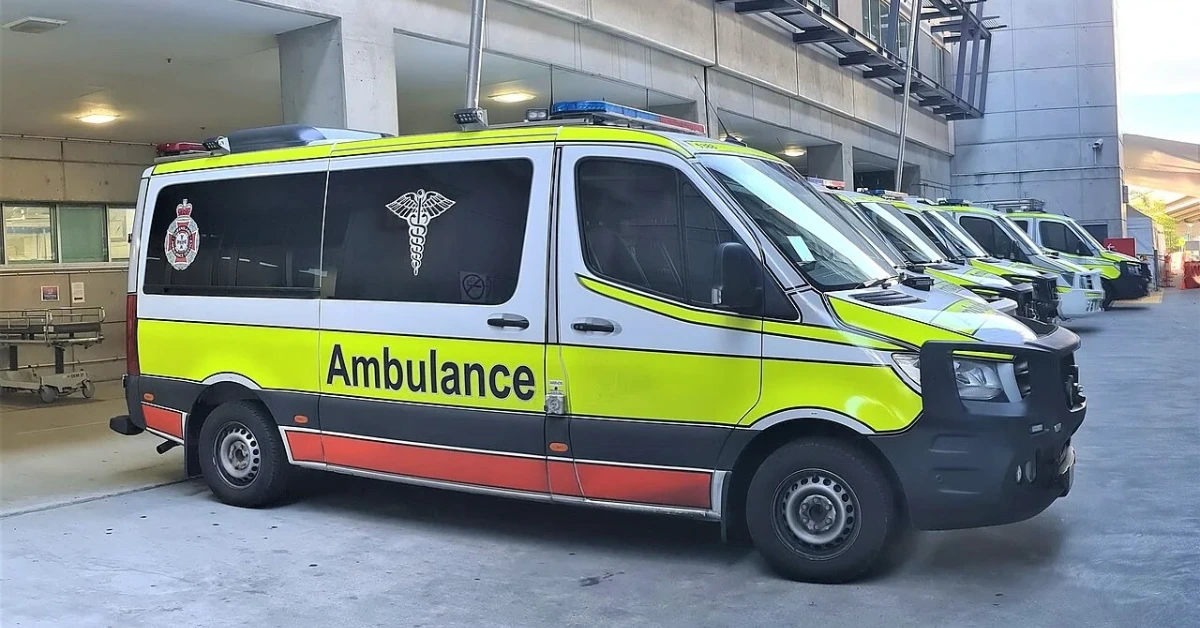
A 63-year-old woman died at Victoria Point after repeated calls for an ambulance, with the Brisbane woman’s death adding to growing concerns about emergency response delays across Queensland.
Read: Hub68 Health Precinct Approved In Ormiston
The woman died in October after reportedly waiting almost seven hours for an ambulance. Eight triple-zero calls were made during the incident, with the requests classified as time-critical, according to reports about the case. The circumstances surrounding her death have drawn attention to the pressures facing Queensland’s ambulance service, particularly as other families have reported lengthy waits for emergency assistance.
The Queensland Ambulance Service (QAS) said the death of any patient was a tragedy and confirmed it was providing support to the woman’s family. The service also said the circumstances of her death would be investigated. Further details about the handling of the individual calls and the reasons an ambulance was not dispatched earlier have not been established in the publicly available information.
The Victoria Point death is among a series of cases involving Queenslanders who died while waiting for emergency assistance. By November 26, seven patients had died while waiting for ambulances across the state since late June, with six of those deaths occurring within the preceding five weeks.
Another case involved a 77-year-old Thornlands man whose family reportedly made repeated calls for assistance during a wait of almost 18 hours. The incidents have intensified scrutiny of ambulance response times and the pressure on hospital emergency departments.
Queensland Health Minister Tim Nicholls has pointed to the need for additional hospital beds and aged care places to help ease pressure on the health system. Premier David Crisafulli has also called for greater federal support, arguing that additional Commonwealth funding could help address capacity problems.
Federal Minister Murray Watt has maintained that managing public hospitals and ambulance services is a state responsibility. The disagreement has placed funding and service management at the centre of the debate, although it does not establish the specific reasons behind the delay in the Victoria Point case.
Ambulance Service Leadership Changes

The growing scrutiny has coincided with the resignation of Queensland Ambulance Service Commissioner Craig Emery, who formally tendered his resignation on November 26 after almost five years in the position.
Health Minister Tim Nicholls said Mr Emery had decided to retire following a 35-year career as a paramedic. He also acknowledged the commissioner’s work in leading the service through significant challenges, including the COVID-19 pandemic.
Mr Emery will begin leave on November 27 and officially finish on December 31, 2026. Deputy Commissioner David Hartley will serve as acting commissioner while Queensland undertakes recruitment for a permanent replacement.
The United Workers Union, which represents paramedics, questioned the circumstances surrounding Mr Emery’s departure. The union argued that hospital overcrowding and ambulance ramping required broader action beyond changes to ambulance service operations.
Read: Ormiston Health Warning Issued After Man Banned From Practising
Mr Nicholls maintained that Mr Emery had made the decision to retire himself. The minister’s announcement also confirmed that the recruitment process for the next commissioner would begin.
Meanwhile, the circumstances surrounding the Victoria Point woman’s death remain under investigation. The QAS has not publicly released findings explaining the delay or the sequence of decisions made in response to the emergency calls.
Published 27-November-2026