



Students from Wellington Point State High School are scheduled to take part in a road safety education programme designed to help young people recognise risks, make better decisions and understand their responsibilities as drivers and passengers.
The school is listed among three participating in a Road Safety Education Australia workshop on Monday, 26 October 2026, at TAFE Queensland’s Mount Gravatt campus. The session is scheduled to run from 9:30 a.m. to 2:10 p.m.
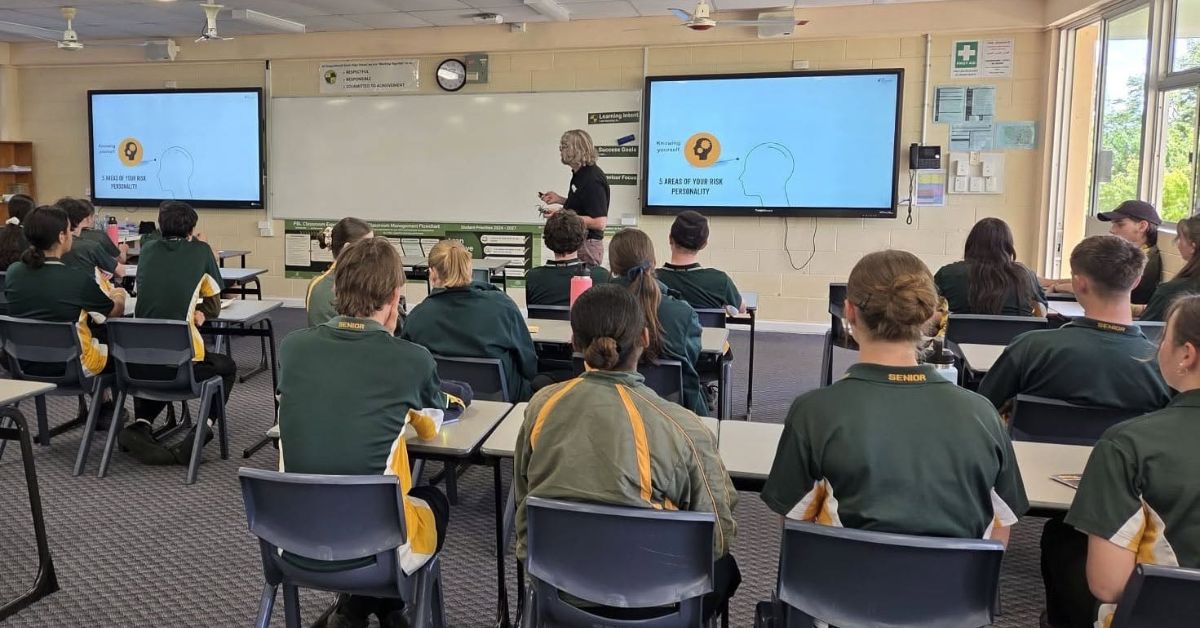
The programme, known as RYDA, brings road safety discussions into an interactive learning environment. Rather than focusing solely on driving rules, it encourages teenagers to consider how their behaviour, decisions and relationships with other road users can affect safety.
Learning to make safer choices
For teenagers approaching the age when they can obtain a learner licence, road safety involves more than understanding traffic signs or knowing when to give way.
Young people may already be regular passengers in vehicles driven by friends or family members. Learning how to recognise distractions, respond to risky behaviour and communicate concerns can be relevant well before they begin driving themselves.
RYDA is designed to address these situations through small-group activities and discussions facilitated by trained presenters, including police officers, driving instructors and community specialists.
The programme also encourages students to examine how everyday decisions can influence the safety of others, particularly when travelling with friends.
What happens during a RYDA workshop?
Road Safety Education’s standard workshop model includes six interactive sessions covering different aspects of responsible road use.
The learning areas include speeding and stopping distances, managing distractions, understanding emotions and attitudes, and recognising situations where passengers can influence driver behaviour.
One activity, known as Road Choices, examines decisions young people may face around driving risks. Another, Crash Investigators, allows participants to explore the circumstances and consequences of a road crash.
Other activities encourage teenagers to consider their personal responses to risk and how their state of mind may affect their choices.
These are elements of the wider RYDA programme, rather than a confirmed timetable of individual activities for the Wellington Point school group.
RYDA Road Safety: Six Learning Areas
Road Safety Education’s RYDA programme covers six areas designed to help young drivers and passengers recognise risks.
- Speed & Stopping: Speed, stopping distances and vehicle safety.
- Road Choices: Risky decisions and their consequences.
- Crash Investigators: Understanding the factors involved in crashes.
- Drive SOS: Sharing roads safely with other users.
- Mind Matters: How emotions and attitudes influence behaviour.
- The ‘I’ in Drive: Personal tendencies, risk and speaking up.
These are elements of the wider RYDA programme. Activities at individual workshops may vary.
Education that continues beyond the workshop
RYDA is developed by the not-for-profit organisation Road Safety Education Limited and is designed to complement existing high school learning.
The programme aims to make road safety an ongoing conversation rather than a subject addressed through a single excursion. Participating schools can access teaching resources, classroom activities and follow-up materials to reinforce the lessons.
In June 2026, the organisation reported that an updated version of the programme, RYDA 6.1, had been introduced earlier in the year following a review of research, student feedback and facilitator experience.
The changes included refinements to learning activities, facilitator guidance and educational resources intended to make the programme more accessible and relevant to teenagers.
Why the lessons matter to Wellington Point families
For Wellington Point families with teenagers approaching driving age, conversations about road safety can begin well before the first supervised trip behind the wheel.
Parents and carers have an important role in helping young drivers understand road rules, anticipate hazards and build confidence through supervised experience. Passengers also have opportunities to influence safety by limiting distractions and speaking up about risky situations.
The RYDA approach places particular emphasis on the choices teenagers can make in both roles.
Wellington Point State High School is listed alongside Rivermount College and Woodcrest State College for the Mount Gravatt workshop, bringing students from different school communities together for the scheduled programme.
While the event listing does not establish attendance numbers or the outcomes of the session, it provides a local opportunity to highlight the importance of practical road safety education as young people prepare for greater independence.
Published 26-October-2026