





Located inland from Wellington Point, a World War II radio receiving station formed part of a critical communications network that supported Allied operations across the South West Pacific.
World War II Radio Network Supporting Allied Communications
A World War II radio receiving station located inland from Wellington Point formed part of a critical communications network that supported Allied operations across the South West Pacific.
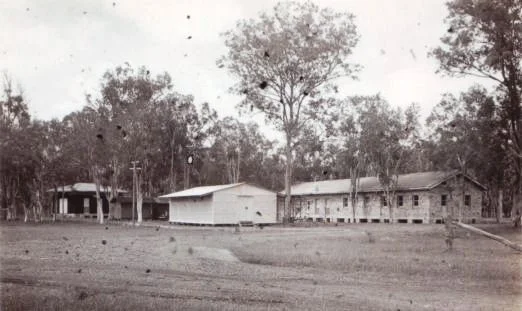
Constructed by the US Army between 1942 and early 1943, the facility—then known as the Capalaba Receiving Station—operated as a major radio hub, transmitting secure communications to the United States via San Francisco and linking command centres throughout the region.
Continuous Wartime Operations
Throughout the war, the station handled multiple teletype and radio telegraph circuits, servicing the entire South West Pacific Area during a period when long-distance communications were essential to military coordination and intelligence sharing.
Its role extended beyond routine traffic, providing redundancy within the broader communications network to ensure continuity during active operations.
Site Selection And Interception Capability
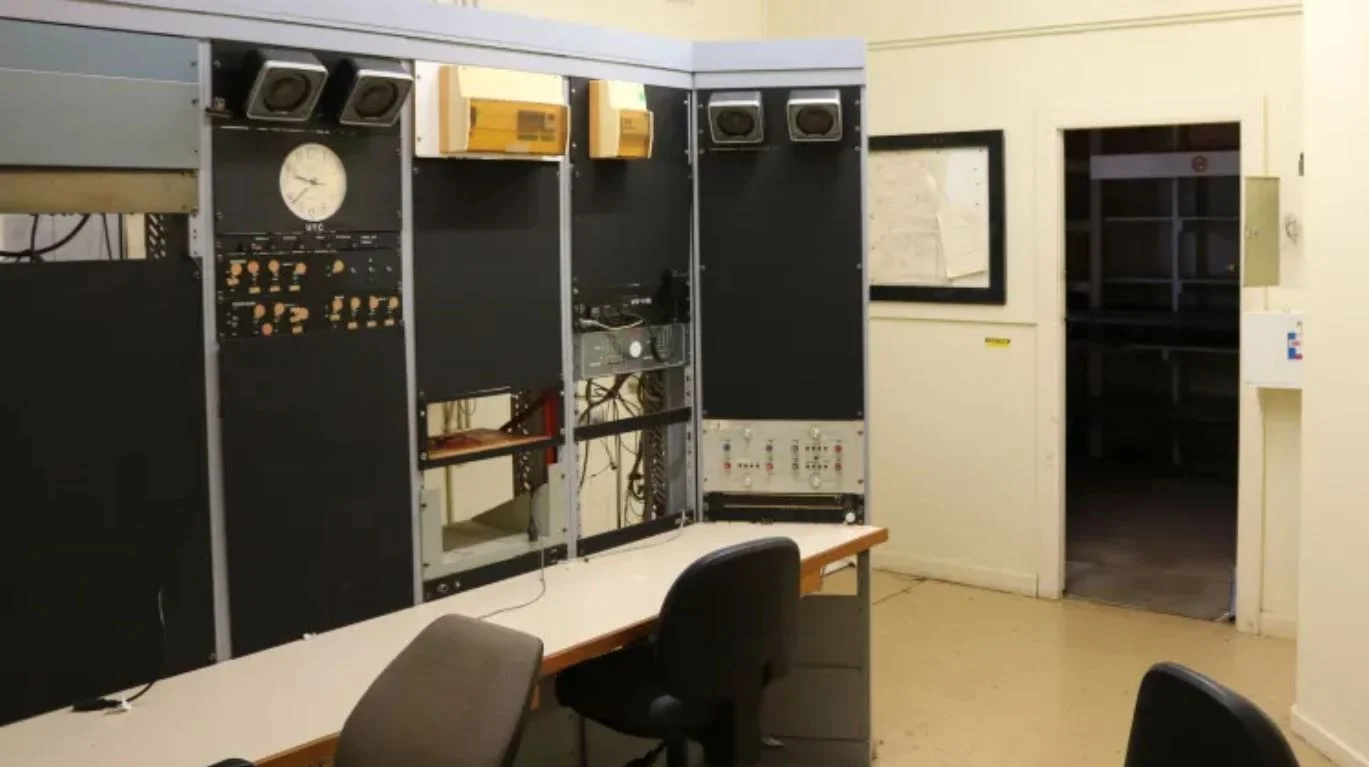
Radio interception required space, isolation and direction-based antenna systems capable of identifying the source of incoming transmissions. Land near Wellington Point provided the necessary separation from urban interference while offering favourable reception conditions.
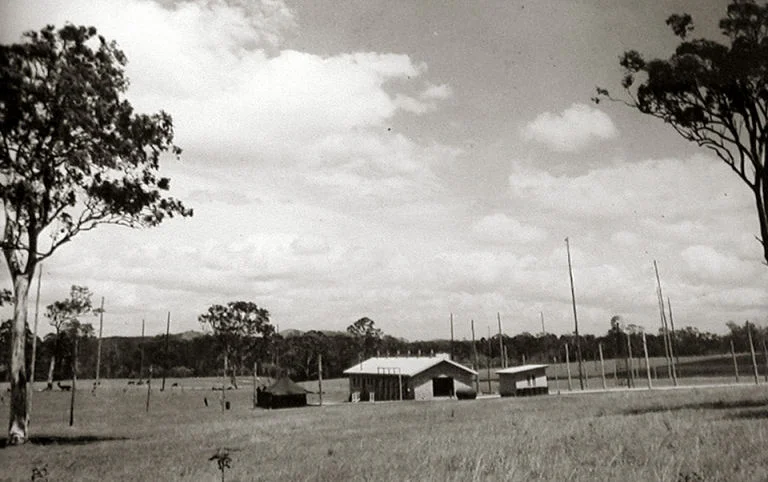
The station was built on Willards Farm, later known as Cotton Farm, after the land was acquired to allow construction of a specialised receiving facility. The location supported large rhombic antenna systems designed for long-range reception.
The receiving building originally housed extensive rows of radio equipment along both sides of the structure. Documentation confirms the use of CW3-D Radio Receiver Assembly OA-59/FRC units, crystal-controlled receivers designed for fixed-frequency teletype and radio telegraph communications, operating in conjunction with matched rhombic antenna arrays.
Secure Voice Communications
In addition to radio traffic, the station supported the SIGSALY encryption system, one of the most advanced secure communications technologies of the war. This system enabled encrypted voice communications between Brisbane and overseas command centres and was never compromised.
Withdrawal And Legacy
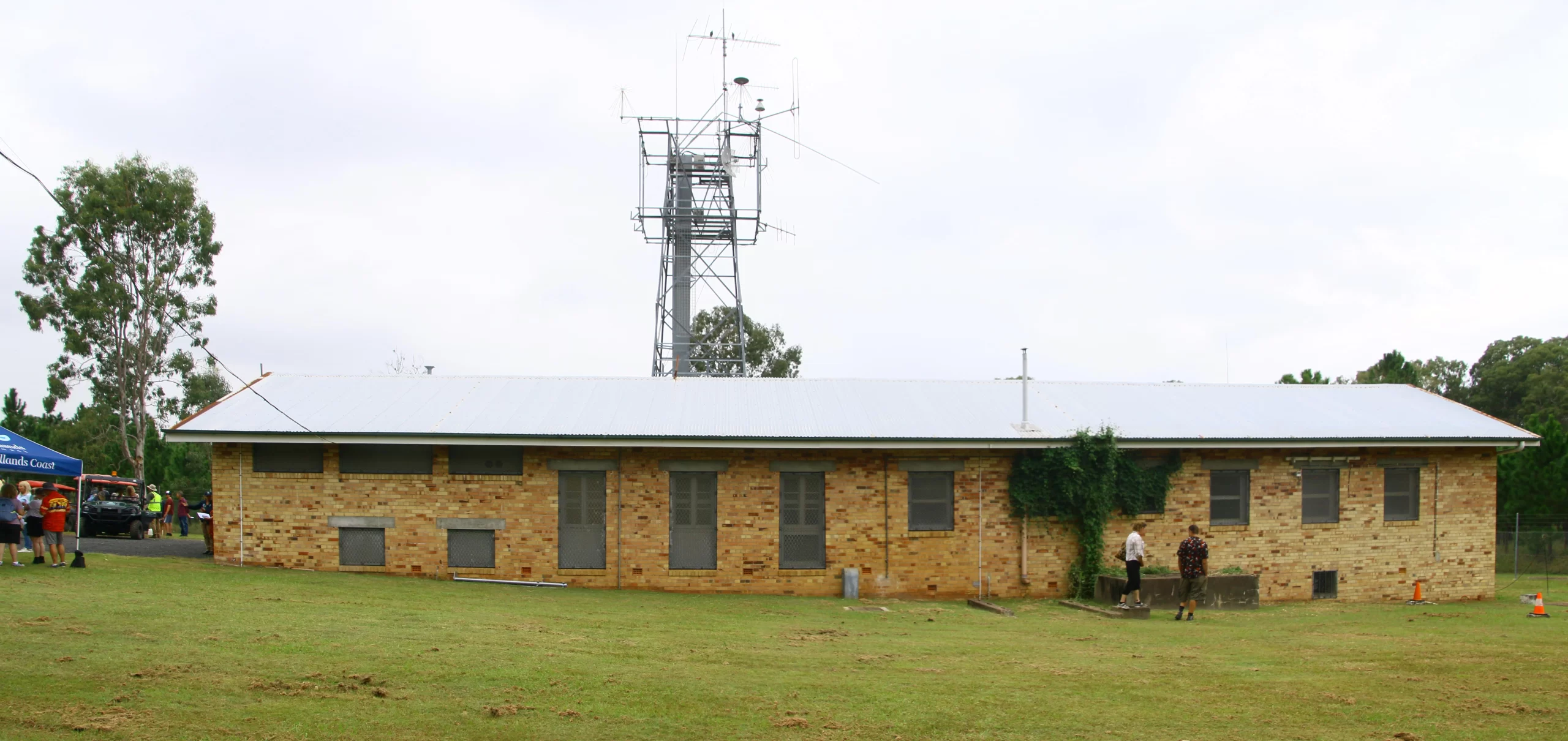
By early 1946, preparations began for the US Army’s withdrawal. Following discussions regarding repairs and acquisition, the site was formally vacated at midnight on 30 November 1946 and transferred to the Postmaster-General’s Department.
While most antenna arrays no longer remain, one complete rhombic antenna survives and is protected under State heritage listing. The site stands as a lasting reminder of the quiet but significant role played by the area near Wellington Point in maintaining Allied communications during World War II.
Published 6-Jan-2026
Photo Credit: The Ram/Radschool Association Inc