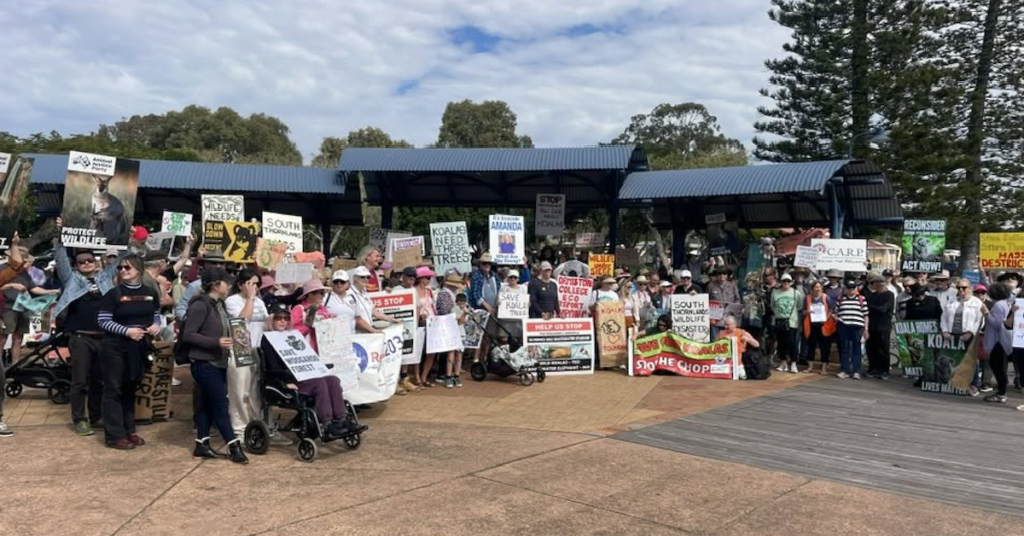




Conservation Battle Comes to a Head as Ormiston College Finishes First Round of Vegetation Removal

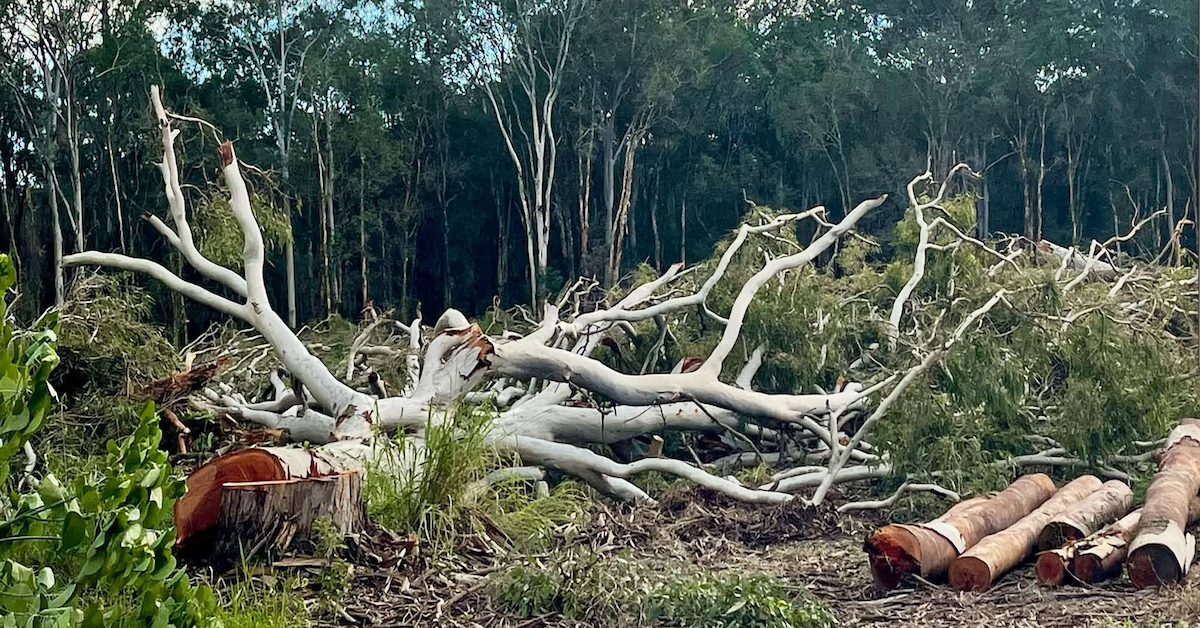
Stage one clearing at Ormiston College is complete. The college confirmed on June 1 that initial vegetation removal had concluded and work vehicles had left the site, marking the end of a period that saw graffiti appear on school grounds, clearing temporarily suspended after a koala was found on site, and police called after a person scaled the fence.


Read: Ormiston College Master Plan Approved with Koala Habitat Conditions Attached


The bayside private school’s expansion was approved by the state through a Ministerial Infrastructure Designation, a lawful Queensland planning mechanism that allowed the project to proceed outside the standard local council approval pathway. 

The approval gave the green light for more than 650 trees to be removed to make way for new sporting facilities, a boarding house, expanded teaching areas and an early learning centre. Community members opposed to the development argued the process had sidelined Redland City’s role in the decision.

Trouble flared in late May when the phrase “Leave Koalas Alone” appeared in spray paint at several visible points around the school grounds.

Community campaign holds firm, but distances itself from vandalism

Photo credit: Facebook/Louise Wilmott

Organised koala advocacy groups moved swiftly to separate themselves from the spray paint. In a public statement, a campaign spokesperson made clear the working group had no involvement in the incident and did not condone property damage in any form. The campaign said it would continue to pursue its goals through peaceful and lawful means.

The vandalism nonetheless lit up social media, dividing opinion sharply. Some online voices argued the impending loss of a significant stretch of koala habitat was a more serious matter than a few lines of graffiti. The graffiti drew fierce backlash from others on social media. The college disabled comments on its Facebook page, stating that the wellbeing of its students and school community was its first priority.

A koala, a fence jumper and questions about response times

The most notable incident during the clearing period came on May 26, when a fauna spotter discovered a young male koala occupying a tree that was among the next group earmarked for removal. People who witnessed the scene claimed it took close to an hour for clearing to be suspended and a protective barrier established around the tree. The college has made no public comment on the timeline of that response. On the same day, a person who had entered the site by climbing the fence was spoken to by police.

The college has been consistent in its defence of the project, arguing the expansion is essential to keep pace with student numbers projected to top 1,600. Ecological reports commissioned for the development characterised the area as a movement corridor for koalas rather than core breeding habitat, a distinction the college has cited in response to conservation concerns. 

Master plan (Photo credit: ormistoncollege.com.au)

Conditions tied to the state approval require the college to carry out clearing in stages, deploy wildlife spotters throughout, and establish a minimum of 526 koala food trees as part of an offset program.


Read: Koala Habitat at Centre of Ormiston College Expansion Dispute


Before works began, conservation advocates had taken their opposition to Parliament House in Brisbane, contending that the Ormiston site sits within a meaningful koala travel corridor connecting broader habitat across the Redlands. Community members opposed to the project also raised concerns that the ministerial approval route had sidelined local council oversight.

The college has pointed residents to its Master Plan Information Hub for ongoing project updates as stage two preparations get underway.

Featured image credit: Google Maps/Ormiston College

Published 4-June-2026

Redlands Area Sports Results 29-31 May 2026


FQPL1

 Sat, May 30, 2026 (Gabba, Brisbane) – Toyota AFL Premiership – Men – Round 12
• Brisbane Lions 78   |   Fremantle 103


HART Premier Netball League (HPNL)

Sun, May 31, 2026 (Nissan Arena) – HART Premier Netball League (HPNL) – Women – Round 4
• Redlands Coast Eagles Ruby 54   |   Kedron-Wavell Cougars Ruby 76


Maroons Heartbreak As Blues Rip Origin I Away In Stunning Sydney Comeback


MATCH REPORT

Published 27-May-2026


Devastating for the Maroons at Accor Stadium in Origin I.

Kalyn Ponga’s sending off in a decision that immediately sparked controversy proved an enormous turning point. Andrew Johns was critical of the decision during commentary. It swung hard-fought momentum against Queensland, and the Blues produced an extraordinary final-minute play, with James Tedesco catching, juggling and grounding Nathan Cleary’s bomb.

For much of the night, Queensland looked in control.

Not just ahead on the scoreboard — in control of the contest itself. Their line speed was sharp, their middle forwards were winning collisions, Harry Grant was asking questions around the ruck, and Sam Walker, on debut in the most pressurised arena the game can offer, looked remarkably composed.

Then Origin did what Origin does.

It twisted.

A night that had looked set to become a major statement for Billy Slater instead became a brutal lesson in how quickly interstate football can turn when momentum shifts and belief takes hold.

Queensland led 20-0 after 20 minutes. They were still 20-6 ahead deep into the second half. And yet somehow, they walked away beaten 22-20.

That is the sort of loss that lingers.

Queensland Landed Every Early Blow

If there were doubts about Ponga getting the nod over Reece Walsh, or whether Walker was ready for this level, Queensland answered them quickly.

Robert Toia struck first in the ninth minute after early pressure forced the Blues into errors, and Walker converted.

It got worse for New South Wales from there.

Thomas Flegler, all aggression and direct running, punched through in the 14th minute after Queensland had started owning the middle. Selwyn Cobbo had already done damage with a strong carry in the lead-up, and the Blues suddenly looked rattled.

A few minutes later, Hamiso Tabuai-Fidow crossed as Queensland continued to punish sloppy New South Wales football.

Walker never missed.

By the time he added a penalty goal in the 20th minute, the Maroons were 20-0 up, and Accor Stadium had gone from loud to uneasy.

Queensland weren’t just scoring. They were dictating the terms.

Munster was playing direct. Grant was probing. Tino Fa’asuamaleaui and Flegler were bending the line. Even defensively, the Maroons looked connected and aggressive.

At that point, it genuinely felt like the Blues were in serious trouble.

New South Wales Hang Around

Origin, though, rarely gives you a clean night.

Hudson Young’s try in the 27th minute finally gave the Blues something tangible to work with, trimming the margin to 20-6 after Cleary’s conversion.

Even then, Queensland still looked the more settled side.

They defended repeat pressure well enough and took that lead into half-time without looking especially rattled. But if you were watching closely, there were hints the game was changing shape.

The Blues had started to spend more time in Queensland territory. Their attack still lacked polish, but the game had become less comfortable than the scoreboard suggested.

And once that happens in Origin, strange things tend to follow.

The Turning Point That Changed Everything

The defining moment came just before the hour mark.

Ponga was sent off for a shoulder charge in a decision that immediately lit up debate.

Whether you agreed with it or not, the practical effect was obvious. Queensland suddenly had to survive a critical passage under enormous pressure, a man short, against a side that had finally found some rhythm.

The Blues took advantage.

Ethan Strange crossed in the 62nd minute after Stephen Crichton’s break opened the Maroons up, although Cleary’s missed conversion meant Queensland still had breathing room at 20-10.

But the feel of the match had changed completely.

The crowd sensed it. The Blues sensed it. Queensland, perhaps, sensed it too.

Cleary’s 40/20 in the 70th minute was the moment the pressure became suffocating. It was a champion’s play, the kind that flips field position and emotional momentum in one strike.

Seconds later, he backed it up by slicing through himself.

20-16.

Now the Maroons were no longer managing a lead. They were trying to survive.

Queensland Let The Game Slip

The temptation will be to make this all about the Ponga send-off.

It was enormous. Lose a player in Origin, against a side with Nathan Cleary pulling the strings, and the pressure changes instantly.

But Queensland still had chances to steady themselves.

Instead, just when composure mattered most, the mistakes crept in.

Robert Toia lost the ball. Harry Grant conceded a costly penalty. Selwyn Cobbo came up with an error. Jojo Fifita spilled possession.

None of those moments, on their own, decide a match.

Together, though, they handed New South Wales exactly what it needed — territory, repeat sets, and belief.

That’s how these games can turn. Not always in one dramatic flash, but in small moments where control slips away and suddenly the team chasing starts to smell something.

By the time Cleary launched that final bomb, Queensland no longer looked like a side closing out a win. They looked like a side trying desperately to survive.

And when Tedesco somehow came down with it — juggling, regathering, grounding — it felt like the kind of moment Origin keeps in its vault for years.

Queensland will argue the turning point. They’ll replay the send-off. They’ll point to what might have been.

But the harder truth is this: they had this game.

And they let it get away.


Published 26-May-2026


Origin Opener Set For Sydney Showdown As New-Look Maroons Eye Early Blow

The first round of Origin is here.

For 2026, State of Origin starts at Accor Stadium in Sydney, before heading to the MCG for Game II and Suncorp Stadium for the decider.

The 2026 State of Origin series is the 45th edition of the men’s interstate best-of-three rivalry, with Queensland entering the campaign holding the historical edge — 25 series wins to New South Wales’ 17, with two series drawn.

For the Maroons, Kalyn Ponga has been selected over Reece Walsh by Billy Slater, while Sam Walker makes his Origin debut in place of the injured Tom Dearden. Max Plath debuts, with Jojo Fifita and Briton Nikora earning their first Maroons selections.

For the Blues, James Tedesco keeps Dylan Edwards out at fullback, while Laurie Daly has opted for Tolutau Koula out of position on the wing ahead of Zac Lomax and Jacob Kiraz. Injury to Mitchell Moses means Ethan Strange will start, while Addin Fonua-Blake finally gets his Origin debut.

The Maroons have won only two of their past 10 Origin games in Sydney, although one of those victories came last year.

Can Queensland pressure Strange enough to cut off quality ball to Nathan Cleary?

New South Wales appears to hold the upper hand through the middle, but Pat Carrigan and Tino Fa’asuamaleaui will relish that challenge.

Cleary versus Walker. Strange versus Munster.

Can Harry Grant put the Maroons on the front foot with his creativity around the ruck?

Can Max Plath and Hamiso Tabuai-Fidow reproduce their Dolphin’s NRL form on the Origin stage?

This shapes as a classic Origin arm wrestle, with Queensland having won six of the past 10 series.

The game will be broadcast live on 9Now, with kick-off at 8.05pm.

New South Wales Blues

  1. James Tedesco
  2. Brian To’o
  3. Stephen Crichton
  4. Kotoni Staggs
  5. Tolutau Koula
  6. Ethan Strange
  7. Nathan Cleary
  8. Addin Fonua-Blake
  9. Reece Robson
  10. Mitch Barnett
  11. Hudson Young
  12. Haumole Olakau’atu
  13. Isaah Yeo

Interchange

  1. Cameron Murray
  2. Victor Radley
  3. Jacob Saifiti
  4. Blayke Brailey

Extended squad

  1. Casey McLean
  2. Dylan Lucas
  3. Matt Burton

Coach

Laurie Daley


Queensland Maroons

  1. Kalyn Ponga
  2. Selwyn Cobbo
  3. Robert Toia
  4. Hamiso Tabuai-Fidow
  5. Jojo Fifita
  6. Cameron Munster
  7. Sam Walker
  8. Tom Flegler
  9. Harry Grant
  10. Tino Fa’asuamaleaui
  11. Reuben Cotter
  12. Kurt Capewell
  13. Max Plath

Interchange

  1. Briton Nikora
  2. Lindsay Collins
  3. Patrick Carrigan
  4. Trent Loiero

Extended squad

  1. Ezra Mam
  2. Gehamat Shibasaki
  3. Kulikefu Finefeuiaki

Coach

Billy Slater

Star of the Sea Primary School Brings Climate Learning Into Cleveland Classrooms

Students at Star of the Sea Primary School in Cleveland, near Wellington Point, are learning climate literacy through classroom lessons, Catholic teaching and practical sustainability activities that connect environmental care with everyday choices.


Cleveland School Puts Climate Literacy Into Daily Learning

Climate literacy is becoming a more familiar part of contemporary education, and at Star of the Sea Primary School in Cleveland, it is being taught through both classroom learning and practical action.

The Brisbane Catholic Education school is using climate literacy to help students understand the environment, the impact of human actions, sustainability and their responsibility to care for the world around them. The learning is also shaped by Catholic Social Teaching and Laudato Si’, which encourages care for the common home.

At Star of the Sea, climate literacy begins from the early years of schooling. Students are introduced to the idea that the world is part of creation and that caring for it is connected to their responsibilities as people of faith.

As students grow, the learning builds into a wider understanding of ecosystems, environmental responsibility and the role of daily choices. The approach is designed to develop knowledge as well as a sense of stewardship, linking classroom lessons with habits that students can practise at school and in the wider community.

EcoWarriors Lead Hands-on Sustainability at Star of the Sea

The school’s EcoWarriors team gives students a practical way to apply what they are learning. The group includes students from Years 3 to 6 who meet each week and take part in sustainability activities around the school.

Their work includes supporting Containers for Change, collecting and recycling paper and cardboard, and helping ensure waste, including food wrappers, is placed in the correct bins. These routines give students direct experience in caring for their school environment and building more responsible habits.

The EcoWarriors program also involves school families in environmental initiatives that support local wildlife. This extends the learning beyond individual classrooms and shows how small, regular actions can contribute to environmental care.

Students Learn Through Design and Problem Solving

Climate literacy at the Cleveland school is also strengthened through hands-on learning. One example is the school’s Design a Bee Hotel competition for World Bee Day, which gives students a practical way to connect environmental learning with design, collaboration and creativity.

These activities allow students to test ideas, work with peers and understand how local actions can support the environment. The school’s broader learning approach supports this style of teaching, with a focus on contemporary learning, explicit teaching, feedback and flexible learning environments.

Star of the Sea Primary School also uses the Australian Curriculum and Brisbane Religious Curriculum to guide learning choices for students.

Brisbane Catholic Education
Photo Credit: Brisbane Catholic Education/Facebook

BCE Climate Learning Connects Knowledge With Action

The Cleveland example reflects wider learning across Brisbane Catholic Education, including initiatives such as the STEM Make a Difference competition. Through the competition, students are encouraged to identify real-world problems and develop their own solutions, including ideas connected to sustainability, conservation and climate action.

This approach combines STEM knowledge with ethical decision-making and creativity, giving students opportunities to think about environmental challenges in practical ways.

During Laudato Si’ Week from 17 to 24 May, the focus on climate literacy also highlights the link between learning, responsibility and action. At Star of the Sea Primary School, that link is reflected in growing student interest in environmental activities.

The school has recorded almost 50 per cent more interest in the EcoWarriors program this year compared with last year. The increase points to stronger student engagement in practical sustainability work and a growing willingness to take part in caring for the school environment.


Catholic education has been part of the Redland region for more than four decades, and at Star of the Sea Primary School in Cleveland, climate literacy is being taught as part of a broader approach to learning, faith and community responsibility.

Published 26-May-2026

Photo Credit: Supplied

Ormiston College Master Plan Approved with Koala Habitat Conditions Attached

Plans to expand Ormiston College’s campus were approved in May 2026 following a state planning process that drew hundreds of public submissions and resulted in koala habitat conditions being attached to the approval.


Read: Hundreds of Koala Trees to Go in Ormiston as College Pursues Expansion


Deputy Premier and Planning Minister Jarrod Bleijie approved the proposal through a Ministerial Infrastructure Designation (MID), with the decision expected to be gazetted by late May 2026. The land affected, at the corner of Dundas and Delancey streets in Ormiston, sits within a mapped Priority Koala Assessable Development Area under the Planning Regulation 2017.

Redland City had rejected a similar development application from the school in 2021. The college then submitted revised plans directly to the state in April 2025, triggering the MID process.

The Habitat in Question

Photo credit: Ormiston College

The site includes areas classified as High Value Bushland and High Value Other Habitat under the Redland City Plan. Citizen scientists have recorded 23 koala sightings on the block over the past year, with many more recorded within a one-kilometre radius. 

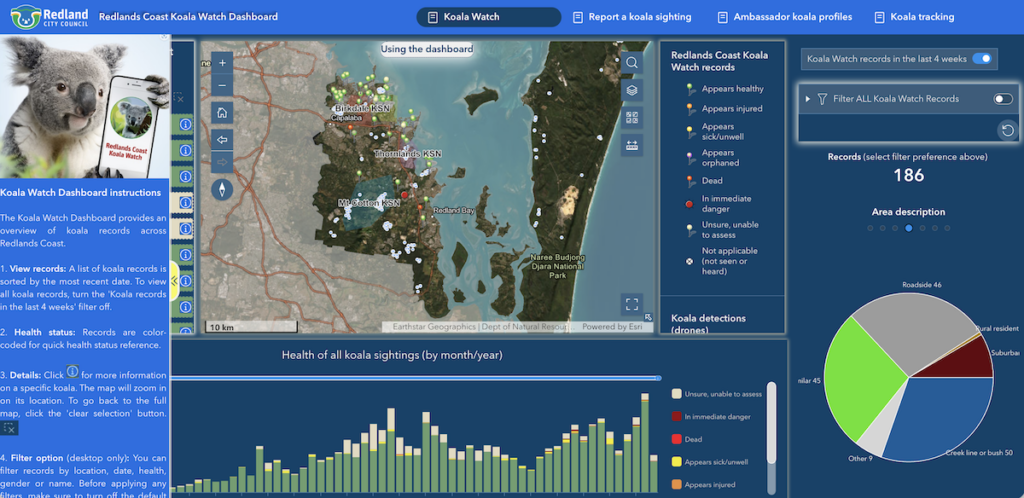
A petition submitted to Queensland Parliament noted that community and citizen science records, including sightings through Redland City’s Koala Watch program, indicate regular koala activity in and around the site.

Photo credit: Pexels/Sébastien Vincon

The petition also stated that the expansion would require clearing 652 mature trees within the designated habitat area, and raised concerns that the proposal had not been referred to the Commonwealth for assessment under the Environment Protection and Biodiversity Conservation Act 1999, despite potential implications for matters of national environmental significance.

The ecological report submitted with the school’s plans stated that roughly a third of the koala habitat on the site would need to be cleared, describing the affected areas as those where koala activity had been recorded at low, transitory levels only. 

Conditions of Approval

Photo credit: Ormiston College

Deputy Premier Bleijie said he approved the project on the recommendation of the Department of State Development.

Conditions attached to the approval require the college to retain mature vegetation unless its removal is necessary for the development, or unless a qualified person confirms the trees pose an unacceptable safety risk. A defined area of protected vegetation cannot be cleared except for bushfire or weed and pest management purposes.

In response to public submissions raising concern about koala habitat and feed stock, the Department of State Development said the partial clearing and replanting approach was intended to enhance the site’s ecological value over time, including through the removal of invasive species. It acknowledged short-term disturbance to koala habitat and noted that mitigation measures would apply during the transition period.

The MID process received hundreds of public submissions, the majority of which opposed the expansion. 

The College’s Position

Photo credit: Google Maps/Ormiston College

The school’s master plan states that revegetation has been strategically placed to strengthen the koala corridor, and that only low-risk, least-concern vegetation types will be cleared, with no threatened species found.

Principal Michael Hornby said at the time of the decision that initial works, including some clearing, would begin within weeks. He said the clearing would be selective and staged, conducted in accordance with an approved fauna management process that includes pre-clearing ecological inspections and supervision by licensed fauna spotter-catchers.


Read: Koala Habitat at Centre of Ormiston College Expansion Dispute


Mr Hornby said the college understood that people felt strongly about the issue and confirmed the school would plant more than 500 koala-preferred trees on the campus as part of the project.

Featured image credit: ormistoncollege.com.au

Published 25-May-2026

Alexandra Hills Family Eatery Flips the Script with an All-Day Indian Breakfast to Midnight Menu

A quiet family-run restaurant in Alexandra Hills is breaking the traditional suburban dining mould by serving authentic Punjabi comfort food and unique breakfasts across a massive all-day service.


Operating from a humble spot at 3/71 Cambridge Drive, Punjabi Sunrise has been serving the area since 2014. Over the past decade, the modest family business has built a strong local reputation by ignoring passing culinary fads. Instead, the owners chose to focus on building relationships with regular customers through genuine hospitality. This steady approach and dedication to honest cooking have turned the restaurant into a reliable community staple over the last ten years.

While most local Indian eateries fire up their kitchens exclusively for the dinner rush, the restaurant has been taking a different approach since it began serving the community in 2014. The modest eatery operates from 9:00 a.m. to midnight every single day. 

This wide window allows locals to drop in for a rare suburban treat, such as a traditional morning meal of aloo paratha paired with hot masala tea, or grab an affordable lunch special during the workday.

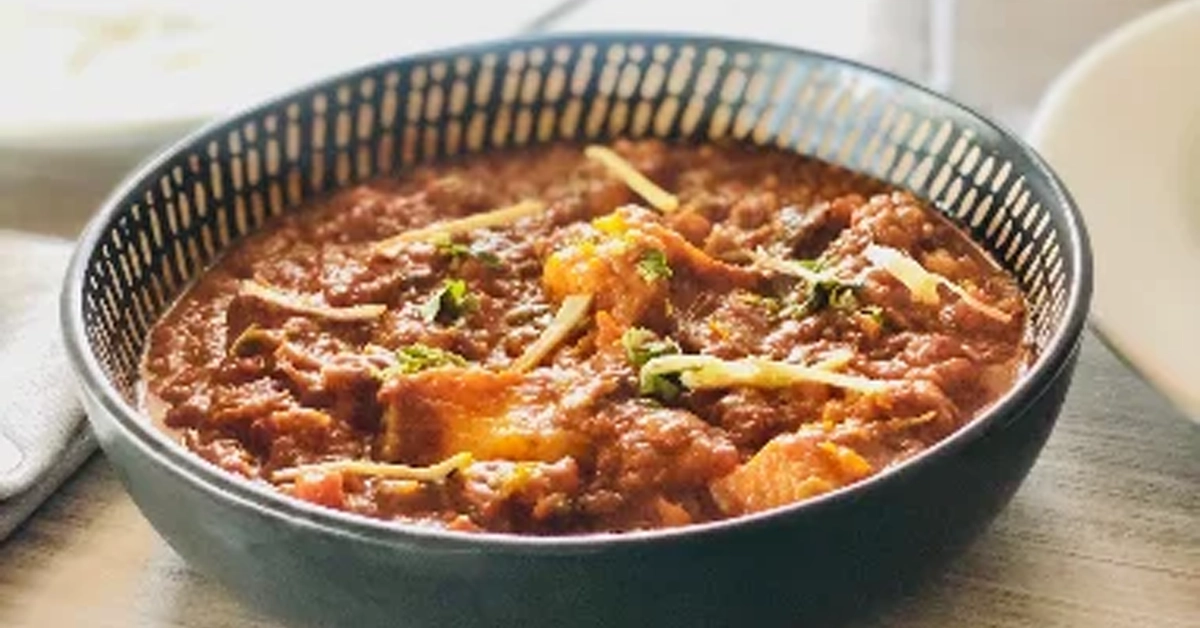
The kitchen avoids chasing fleeting culinary trends, focusing instead on the fundamentals of regional Punjabi cooking and North Indian staples. Diners consistently note the kitchen’s patient approach, observing that the chefs refuse to take shortcuts when preparing their aromatic, slow-cooked gravies. The meals provide deep, well-balanced flavours that offer a gentle, warming spice rather than an overpowering heat.

Plant-based options are a major drawcard for the neighbourhood regulars. The rich and vibrant paneer dishes stand out as crowd favourites, with the flavour-packed paneer fried rice earning a strong reputation as either a standalone main or a shared plate for the table. 

True to its family roots, the venue ensures every order features generous portions, whether customers are eating in the relaxed indoor and outdoor seating areas or picking up an extensive dinner family pack to take home.


Over the past decade, the business has grown a loyal following based on genuine hospitality and comfortably affordable prices. The food is also highly regarded for travelling perfectly, making it a popular choice for local takeout and delivery. By sticking to honest cooking and friendly service, this humble neighbourhood spot continues to show exactly why it remains a firm local favourite.

Published Date 22-May-2026

Photo Credit: Punjabi Sunrise Indian/ Facebook

Birkdale Whitewater Centre Puts Redlands Coast On The Paddle Sport Map

A planned whitewater venue at Birkdale is placing Redlands Coast in the frame for a bigger future in paddle sport, with the area now linked to early discussions around the inaugural 2030 World Paddle Games.


Birkdale Venue Opens A Wider Paddle Sport Story

A planned whitewater venue at Birkdale is placing Redlands Coast in the frame for a bigger future in paddle sport, with the area now linked to early discussions around the inaugural 2030 World Paddle Games.

The Redland Whitewater Centre is planned within the Birkdale Community Precinct and is expected to become a year-round venue for sport, recreation, training and emergency services use. While it is already earmarked for canoe slalom events during the Brisbane 2032 Olympic and Paralympic Games, its role may reach beyond that single event.

A confidential agenda item titled 2030 World Paddle Games was listed for discussion on 20 May 2026. The item related to ongoing negotiations involving a commercial matter, with no public confirmation yet that a formal bid has been approved, that Redlands Coast has secured a host role, or what any proposal may cost.

That makes the story one of possibility rather than certainty. The planned Birkdale venue gives Redlands Coast a clear connection to the event concept, but the final shape of any bid remains unresolved.

Redland Whitewater Centre Carries Long-Term Ambitions

The Redland Whitewater Centre is being designed for more than elite competition. Its planned uses include calm-water tubing, beginner paddling, canoeing, kayaking, rafting and whitewater activities.

The venue is also intended to support high-performance paddle training, water safety education, adventure tourism, community recreation and swift-water rescue training. That broader mix gives the project a community and training role alongside its planned major-event use.

The wider Birkdale Community Precinct covers 62 hectares and includes a 36-hectare conservation area. The whitewater centre is proposed to occupy about eight per cent of the total precinct and would be positioned on previously cleared land.

During Games use, the venue is expected to accommodate up to 8,000 spectators through temporary seating, with a warm-up and training zone also planned.

Redland Whitewater Centre
Photo Credit: GIICA

How The World Paddle Games Fit

The World Paddle Games is a new International Canoe Federation concept designed to bring paddle disciplines together across a multi-week event.

The format includes canoe sprint, canoe slalom, stand up paddling, dragon boat and ocean racing, along with broader public participation activities. It is built around three types of venues: flatwater, whitewater and ocean locations, all intended to be within about an hour of each other.

That structure is where Birkdale becomes relevant. A whitewater venue would only form one part of the broader event model, but it could give Redlands Coast a strong local base if a bid progressed further.

Redlands Coast Link Still Needs Confirmation

The Redland Whitewater Centre remains in the planning and approvals phase. Initial feasibility work has been completed, and an expressions of interest process has been conducted for a principal consultant to lead design work.

The project’s anticipated completion in 2030 also lines up with the timing of the proposed World Paddle Games. However, timing and venue planning do not amount to a confirmed hosting role.


Redlands Coast sits in a watch-and-wait position. Birkdale has the planned venue, the paddle sport purpose and the future-event relevance, but the World Paddle Games link remains at the discussion stage until further details are publicly confirmed.

Published 21-May-2026

Photo Credit: GIICA

Bayside to Birmingham and Beyond: Reece Holder Locks in Glasgow Selection

Reece Holder, the 23-year-old Wellington Point sprinter who grew up running at Redlands Little Athletics before becoming one of Australia’s fastest 400-metre runners of all time, has secured his spot on the Australian team for the 2026 Commonwealth Games in Glasgow. The selection follows his breakthrough maiden senior victory at the Australian Athletics Championships in Sydney.


Holder clocked a dominant 45.11 seconds to claim the national crown, the latest milestone in a career arc that has taken him from junior titles at Redlands and Balmoral to an Olympic semi-final in Paris, and now to his first Commonwealth Games selection. The multi-sport event kicks off in Glasgow on July 23.

“These athletes represent the first selections on the road to Glasgow 2026, and their performances in Sydney highlight the strength and depth we’re building across the team,” Australian Team Chef de Mission Petria Thomas said.

A decade of work to reach this point

Reece Holder’s story did not start with a headline. He began his journey running at school carnivals and joined the Redlands Little Athletics Centre, before moving to Balmoral and eventually Thompson Estate Athletics, the club he proudly represents today. The progression required patience through early, injury-interrupted seasons, but the raw talent was always unmistakable.

Photo Credit: Reece Holder/Instagram

At 15, he won the national Under-17 400-metre title in 49.11 seconds. By 16, he had lowered his personal best to 47.35, and just before global pandemic restrictions altered the sporting calendar in early 2020, he had already clocked an impressive 46.44. Progress paused, but it never stopped.

The ultimate breakthrough moment arrived in August 2023 at the World University Games in Chengdu. Having already run a blistering personal best of 45.65 in Switzerland two months earlier, Holder negotiated the heavy heat, semi-finals, and final in Chengdu to take silver in 44.79 seconds.

Photo Credit: Australian Athletics

The performance made him the fifth-fastest Australian 400-metre runner of all time and the fastest domestic competitor in 17 years.

Paris and the personal best that put him in elite company

Paris 2024 marked Holder’s Olympic debut, where he made an immediate impression on the world stage. In his opening qualification heat, he dropped a stunning personal best of 44.53 seconds to advance directly to the semi-finals, where he ultimately finished a commendable fifth in his wave. The performance confirmed him as a genuine world-class competitor rather than just a domestic standout.

Holder currently maintains a world ranking inside the top 20 for the 400 metres, cementing his status among the global elite in a notoriously brutal discipline. The one-lap sprint remains one of the most physically punishing events in track and field, demanding pure sprinter speed paired with the aerobic endurance to sustain maximum velocity for an entire lap.

His 2026 campaign has perfectly maintained that trajectory. His commanding 45.11-second victory in Sydney earned him his first senior Australian championship and officially punch his ticket to Scotland.

Glasgow and what comes next

The 2026 Commonwealth Games in Glasgow will be Holder’s first appearance at the event, with the men’s 400 metres shaping up as one of Australia’s marquee medal prospects on the track. Holder will also anchor the Australian 4×400-metre relay squad, building on his international experience after representing the national team at the 2025 World Athletics Relays.

For Wellington Point and the broader Redlands bayside community that cheered him on through the Little Athletics ranks, the Glasgow selection represents the perfect return for grassroots sporting programs.

To follow Reece Holder’s progress at Glasgow 2026, visit athletics.com.au or commonwealthgames.com.au.


Published 20-May-2026

Featured Image Credit: Reece Holder/Instagram

Volunteer Chaplain Sandra Hill Honoured During National Volunteer Week

A local volunteer helping patients and families through grief, uncertainty and trauma is being celebrated during National Volunteer Week. Sandra Hill, who serves as a volunteer hospital chaplain with Carinity at Redland Hospital, provides pastoral care and emotional support to people across the Redlands community.


“I am part of the chaplaincy team providing pastoral care over the entire hospital, from the birthing ward to end of life,” Sandra explains.

“My role entails visiting patients and extending pastoral care to them and their families. I offer prayer when appropriate and am involved in memorial services and interaction with hospital staff.

“I help patients and sometimes their families navigate fear, grief and uncertainty as I offer a calming presence – especially when patients receive a terminal diagnosis or unexpected complications and trauma.”

Photo Credit: Google Maps

Sandra says being a Carinity volunteer hospital chaplain is “profoundly gratifying.”

“I enjoy meeting people and the privilege of hearing stories and walking alongside those who are sometimes going through deep valleys in their lives – offering a compassionate and human connection to people during their most vulnerable and isolating moments,” Sandra said.

“Often, pastoral care in a hospital environment brings people together in the best way possible under the worst conditions.

“Being with patients in their last moments and being able to offer prayers or blessings is a sacred and humbling privilege.”

Sandra recommended that people who have spare time should volunteer in their community.


“Volunteering is most rewarding, satisfying and fulfilling. One receives back much more than one gives. It also gives one purpose and meaning in life.”

Published 18-May-2026

From the Airwaves: 5 Golden Nuggets from Macca

We are massive fans of Macca.

The Sunday morning show provides a fantastic journey around Australia and the world to hear stories and insights from real people that you won’t hear in the mass media.

Here are five nuggets that we’ve dug out from the goldmine that is Macca’s Australia All Over show.

Lawson’s Story

On March 22, we heard the story of a 10 year old boy called Lawson, from the persepctive of a first responder.

The first responder who rang was Mark, a paramedic. He had been called out in an ambulance to a rural property at Mcdouall Peak Station in remote South Australia.

McDouall Peak is known for its arid desert landscape and historic links to explorer John McDouall Stuart. The area is known for its harsh conditions, hardy desert vegetation, and remains part of South Australia’s vast, sparsely populated interior.

Mark related that a 10-year-old boy named Lawson and his dad, a farmer, went out on motorbikes to build some fencing on the station. Lawson’s dad told the boy that he was just going to check some fencing a few kilometres away and then set off on his motorbike down the fenceline.

He didn’t come back.

After a while, Lawson got on his motorbike to go and look for him, but couldn’t find him. So he got his mum to drive over in the car and together they searched and found him. The dad was very badly injured having crashed on his bike at speed.

By the time emergency crews arrived, Lawson had already spent more than an hour talking with medical staff and waiting for help to reach them.

Mark the paramedic related that on arrival on the main road, he encountered young Lawson, who calmly then got in a ute and drove ahead of the ambulance for several kilometres to guide the medics to where his dad was.

Mark was blown away with the maturity and initiative of Lawson. He had seen many unusual situations in his job but this was a major outlier.

It turned out Lawson’s father had broken a leg, hip and collarbone.

Mark said Lawson carried medical gear; helped responders where needed; and stayed composed through the entire rescue until his father was flown out by the RFDS for treatment.

Amazingly, a neighbour who knew young Lawson was listening to Macca, and rang Lawson’s family to tell him about the call on the show.

Soon after, Lawson rang in and told Macca all about what happened first-hand.

“He was going like 90 or 100 or something,” Lawson told Macca, when recounting his father’s crash.

At one point, Macca asked him what he wanted to be when he grew up.

“A helicopter pilot,” Lawson replied.

It sounded less like a dream and more like a plan.

Out on stations like McDouall Peak, childhood looks different.

Distances are measured in hours, not suburbs. Fence lines run for kilometres. If something goes wrong, help is rarely close.

Lawson studies through the Port Augusta School of the Air, originally built around two-way radio lessons for children living in isolated parts of the country. These days, classes are mostly online, but the principle is still the same — students learning from station houses and remote properties hundreds of kilometres apart.

Kids in those areas tend to grow up fast and early. They learn vehicles young, help with fencing and stock work, and get used to solving problems without immediate backup.

Here’s a video about Clair, who tells a story remarkably similar to that of Lawson, giving us a glimpse of the world they inhabit — a long way from city life, and built around a different kind of independence.


Food Labels – Does “Australian Made” have loopholes?

Judy, a soybean farmer from Bundaberg, rang in to the show on the April 5 program.

She had a very interesting story to put people straight about Australian made loopholes.

She said that supermarket food labels can be very misleading.

Soy milk can be sold as “Australian Made” even when the beans are imported — because the bulk of what’s in the carton is Australian water.

That’s enough to be considered “Australian Made” soy milk, she said.

Meanwhile, she’s growing soy locally, rotating it with sugarcane — a system that quietly does its job, improving soil and keeping things sustainable over time.

“It’s a practical system,” she said.

But that work — and those crops — aren’t always what ends up on the shelf.

It’s not just soy milk.

More broadly, Australia’s labelling rules are based on where a product is made or substantially transformed, not always where its key ingredients are grown.

That’s how you end up with:

  • fruit juice blended locally from imported concentrate
  • seafood processed here but caught overseas
  • packaged foods made in Australia using global ingredients.

The label is technically right, but it doesn’t always tell the full story. For producers like Judy, that gap matters.

Are these technical loopholes hurting Australian food producers?

“Six days. 1,200 feral pigs.” The scale most people don’t see

On the April 19 program, Peter called in from Wangaratta, talking about his new feral pig shoot record.

Feral pigs can make an enormous mess of farmer’s crops as well as gardens and any piece of grassland as they can dig up hundreds of metres of land overnight looking for worms and roots.

Peter projected that there could be over a million feral pigs in Australia and that there were signs of them entering the edge of urban areas.

It sounded like Peter was part of a system that pairs landholders with vetted recreational shooters. His previous best was 1,100 shot but this time he covered 1,200.

“Traps don’t work anymore” Peter said.

Scientific evidence ranks pigs among the most intelligent animals—often cited as the fifth smartest species—possessing cognitive abilities that rival dogs and young human toddlers.

Feral pigs have been part of the landscape for a long time. What’s easy to miss is how quickly things escalate once numbers build.

They move in groups, breed fast, and don’t take long to undo a paddock. Crops gone overnight, fences pushed through, water turned.

Control efforts don’t stop — trapping, baiting, culling — but it’s not static.

Six days near Warren. About 1,200 feral pigs. At that point, you’re dealing with something that doesn’t scale down easily.

Corals, Reefs and the Arguments Around What We’re Seeing

Three separate calls across April ended up circling the same uneasy question: what is happening to the reefs?

What made it interesting was that the callers did not entirely agree.

The Scientist Trying to Cool the Water

On the April 5 program, oceanographer Dan Harrison from the National Marine Science Centre spoke about the science side of the problem — and how researchers are now exploring increasingly complex ways to protect coral systems from extreme heat.

One idea he discussed was marine cloud brightening.

In simple terms, increasing low cloud cover over parts of the ocean so more sunlight is reflected away and water temperatures stay lower during dangerous heat periods.

But Harrison was careful not to present the reef as a simple story of decline or rescue.

Cyclones can damage reefs badly — but sometimes also cool overheated water and reduce bleaching pressure. Floods can smother coral systems with runoff, but under different conditions can shift temperatures or nutrients in ways that change outcomes entirely.

The impression left was less about certainty than complexity.

Nothing in reef systems happens in isolation.

Returning to Fiji After Three Decades

Two weeks later on the April 19 show, Kieran Kelly rang from Fiji with something far more personal and emotional.

After returning to diving for the first time in more than 30 years, he said he was stunned by what he saw underwater.

“The reefs were devastated — brown, lifeless.”

What stayed with listeners was the way he described it.

“All the little houses are still there, but there’s no one in them.”

He said the coral structure itself often remained, but the colour, fish life and movement felt diminished from what he remembered decades earlier.

At the same time, he reflected on how Fiji itself had changed — from what he described as a quieter, more remote place into one increasingly built around tourism, boats and constant movement.

“The very thing that attracts people ends up spoiling it.”

It wasn’t framed as activism or politics. More the observations of someone returning to a place after a very long absence and confronting how much both nature and people had changed.

The Ecologist Who Warned Against Generalisations

A week later again, on the April 26 program, another listener pushed back.

James Hawes, a retired CSIRO ecologist from the Sunshine Coast, wrote to Macca after hearing Kieran’s comments.

He argued that broad claims about “dead and dying reefs” risked missing important context.

Hawes said many reefs he had snorkelled recently — including parts of the Great Barrier Reef and reefs around Fiji — appeared healthy and actively growing. He acknowledged localised storm and cyclone damage, but warned against sweeping conclusions drawn from isolated experiences.

“Reports on coral reef damage must have context.”

Why reef conversations have become so complicated

Part of the reason reef discussions now feel so contested is because people are often talking about different parts of the same system.

Some reefs recover after bleaching events. Others don’t. One section can be badly damaged by heat or cyclones while another nearby remains comparatively healthy.

That sat underneath all three calls.

Dan Harrison spoke about intervention research already underway in Australia. Kieran Kelly described reefs in Fiji that felt emptier and less alive than he remembered decades earlier. James Hawes warned against broad conclusions drawn from isolated experiences.

All three perspectives can exist at once.

The Great Barrier Reef stretches across more than 2,000 kilometres, with thousands of reef systems responding differently to temperature, storms, runoff, tourism pressure and crown-of-thorns starfish outbreaks.

At the same time, Australia has become a major centre for reef intervention research.

Marine cloud brightening — the concept Harrison discussed — is now being trialled as researchers investigate whether brighter low cloud cover could temporarily cool reef waters during marine heatwaves.

Other projects include:

  • heat-tolerant coral breeding
  • coral seeding and restoration programs
  • satellite, drone and robotic reef monitoring
  • crown-of-thorns starfish control efforts

Researchers are also studying how runoff, water quality and tourism pressure interact with warming oceans and cyclone damage over time.

None of it is straightforward.

Some reefs are recovering strongly. Others are under heavy stress. Some intervention ideas remain experimental, while others are already being rolled out more broadly.

Which is why reef conversations now tend to sound less certain than they once did.

The science is still moving.

The war where bullets overtook disease — and what changed after that

On the April 26 program, the conversation drifted from Gallipoli’s cliffs and cemeteries into something less often talked about — what war looked like from the medical side.

In studio, hand surgeon David Dilley spoke about the conditions doctors and medics faced during the First World War, particularly during Gallipoli.

“The planning was appalling,” he said, referring to findings from the Dardanelles Commission.

There were shortages everywhere. Limited supplies. Primitive field conditions. Little understanding of how to deal with the scale of injuries arriving at once.

“They had bandages… a bit of chloroform… and not much else.”

Earlier in the program, callers had been describing the cemeteries at Gallipoli — the closeness of the ridgelines, the tiny distances between trenches, the sheer number of names.

Dilley’s contribution added another layer to that picture.

For centuries before World War I, disease often killed more soldiers than combat itself. Dysentery, typhoid, infected wounds and poor sanitation spread quickly through camps and battlefields long before antibiotics existed.

But by Gallipoli and the Western Front, warfare itself had changed. Machine guns, artillery and industrial-scale combat produced catastrophic injuries on a scale medicine had never really faced before.

“It was the first war where more died from enemy action than disease,” Dilley said.

The conversation moved easily between medicine, history and memory — less like a lecture and more like someone trying to explain how one era forced the next one to change.

The shift didn’t happen all at once, but the pressure to improve was constant.

In earlier wars, many soldiers didn’t die from wounds themselves, but from what followed — infection, poor sanitation, limited understanding of how to treat trauma once it set in. Dysentery, typhoid and septic wounds were often more lethal than the battlefield.

By the time of Gallipoli, that balance had started to change, even if the systems around it hadn’t caught up.

Since then, each conflict has pushed medicine further.

Today, soldiers carry trauma kits designed to deal with the first and most critical problem — bleeding. Tourniquets, clotting agents and airway tools are standard, with the aim of stabilising someone long enough to get them to surgical care.

From there, evacuation is faster, and treatment is more specialised, with trauma teams trained specifically for those injuries.

None of that removes the brutality of war. But it does mean more people survive the part they wouldn’t have before.

One conversation at a time

Five calls.

Different states, different lives, different subjects.

A 10-year-old on a remote cattle station. A soybean farmer in Bundaberg. Pig shooters near Warren. Scientists arguing over reefs. A surgeon reframing Gallipoli.

None of them sounded like they were trying to make a point bigger than it was.

That’s probably why the calls stayed with people after the radio switched off.

Published 7-May-2026