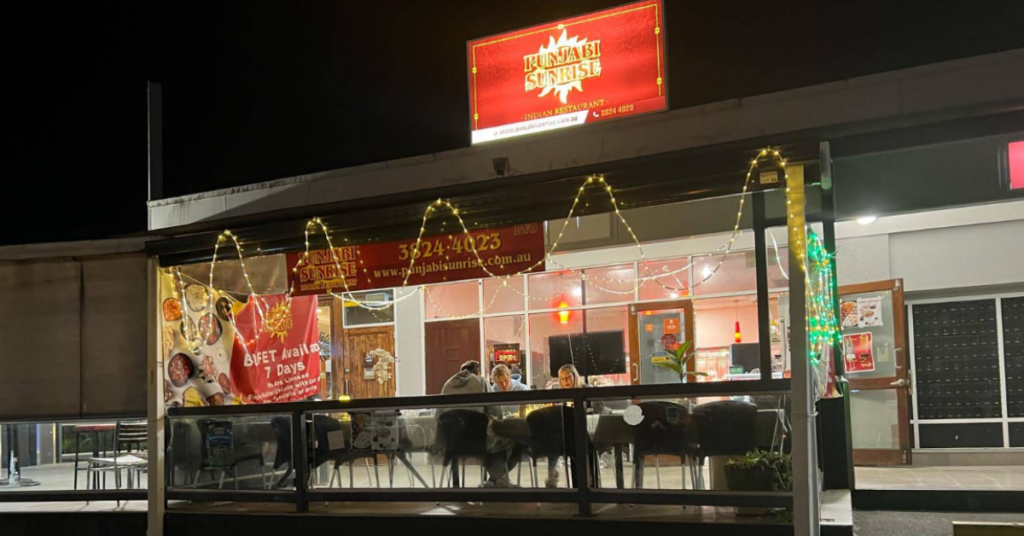
A quiet family-run restaurant in Alexandra Hills is breaking the traditional suburban dining mould by serving authentic Punjabi comfort food and unique breakfasts across a massive all-day service.
Operating from a humble spot at 3/71 Cambridge Drive, Punjabi Sunrise has been serving the area since 2014. Over the past decade, the modest family business has built a strong local reputation by ignoring passing culinary fads. Instead, the owners chose to focus on building relationships with regular customers through genuine hospitality. This steady approach and dedication to honest cooking have turned the restaurant into a reliable community staple over the last ten years.
While most local Indian eateries fire up their kitchens exclusively for the dinner rush, the restaurant has been taking a different approach since it began serving the community in 2014. The modest eatery operates from 9:00 a.m. to midnight every single day.
This wide window allows locals to drop in for a rare suburban treat, such as a traditional morning meal of aloo paratha paired with hot masala tea, or grab an affordable lunch special during the workday.
The kitchen avoids chasing fleeting culinary trends, focusing instead on the fundamentals of regional Punjabi cooking and North Indian staples. Diners consistently note the kitchen’s patient approach, observing that the chefs refuse to take shortcuts when preparing their aromatic, slow-cooked gravies. The meals provide deep, well-balanced flavours that offer a gentle, warming spice rather than an overpowering heat.
Plant-based options are a major drawcard for the neighbourhood regulars. The rich and vibrant paneer dishes stand out as crowd favourites, with the flavour-packed paneer fried rice earning a strong reputation as either a standalone main or a shared plate for the table.
True to its family roots, the venue ensures every order features generous portions, whether customers are eating in the relaxed indoor and outdoor seating areas or picking up an extensive dinner family pack to take home.
Over the past decade, the business has grown a loyal following based on genuine hospitality and comfortably affordable prices. The food is also highly regarded for travelling perfectly, making it a popular choice for local takeout and delivery. By sticking to honest cooking and friendly service, this humble neighbourhood spot continues to show exactly why it remains a firm local favourite.
A planned whitewater venue at Birkdale is placing Redlands Coast in the frame for a bigger future in paddle sport, with the area now linked to early discussions around the inaugural 2030 World Paddle Games.
A planned whitewater venue at Birkdale is placing Redlands Coast in the frame for a bigger future in paddle sport, with the area now linked to early discussions around the inaugural 2030 World Paddle Games.
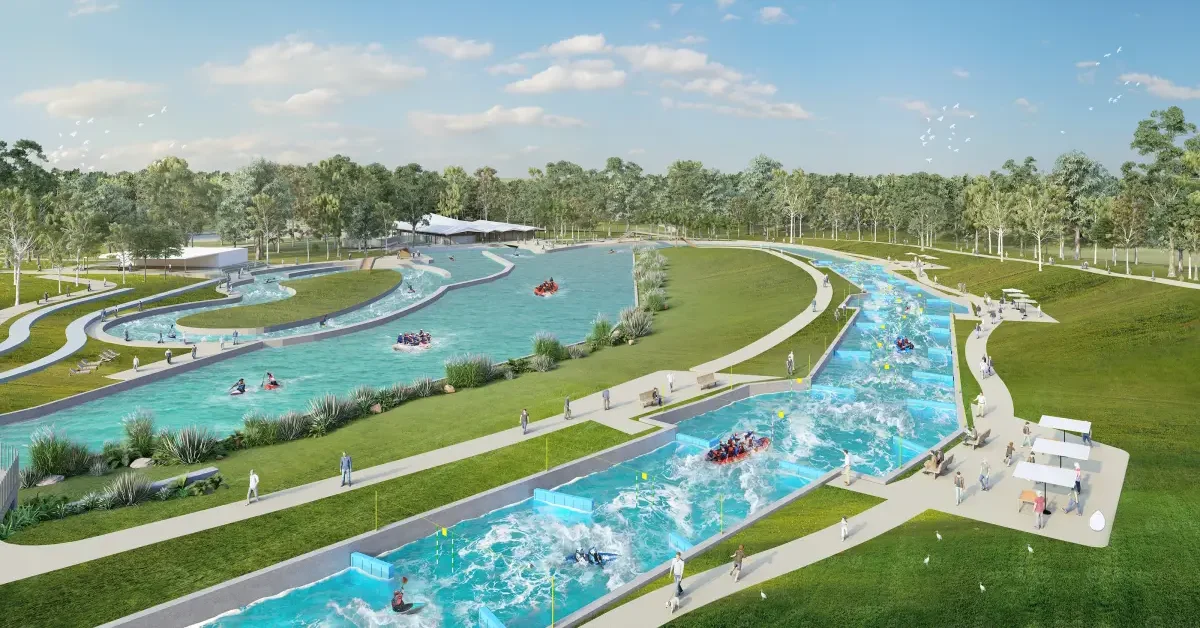
The Redland Whitewater Centre is planned within the Birkdale Community Precinct and is expected to become a year-round venue for sport, recreation, training and emergency services use. While it is already earmarked for canoe slalom events during the Brisbane 2032 Olympic and Paralympic Games, its role may reach beyond that single event.
A confidential agenda item titled 2030 World Paddle Games was listed for discussion on 20 May 2026. The item related to ongoing negotiations involving a commercial matter, with no public confirmation yet that a formal bid has been approved, that Redlands Coast has secured a host role, or what any proposal may cost.
That makes the story one of possibility rather than certainty. The planned Birkdale venue gives Redlands Coast a clear connection to the event concept, but the final shape of any bid remains unresolved.
Redland Whitewater Centre Carries Long-Term Ambitions
The Redland Whitewater Centre is being designed for more than elite competition. Its planned uses include calm-water tubing, beginner paddling, canoeing, kayaking, rafting and whitewater activities.
The venue is also intended to support high-performance paddle training, water safety education, adventure tourism, community recreation and swift-water rescue training. That broader mix gives the project a community and training role alongside its planned major-event use.
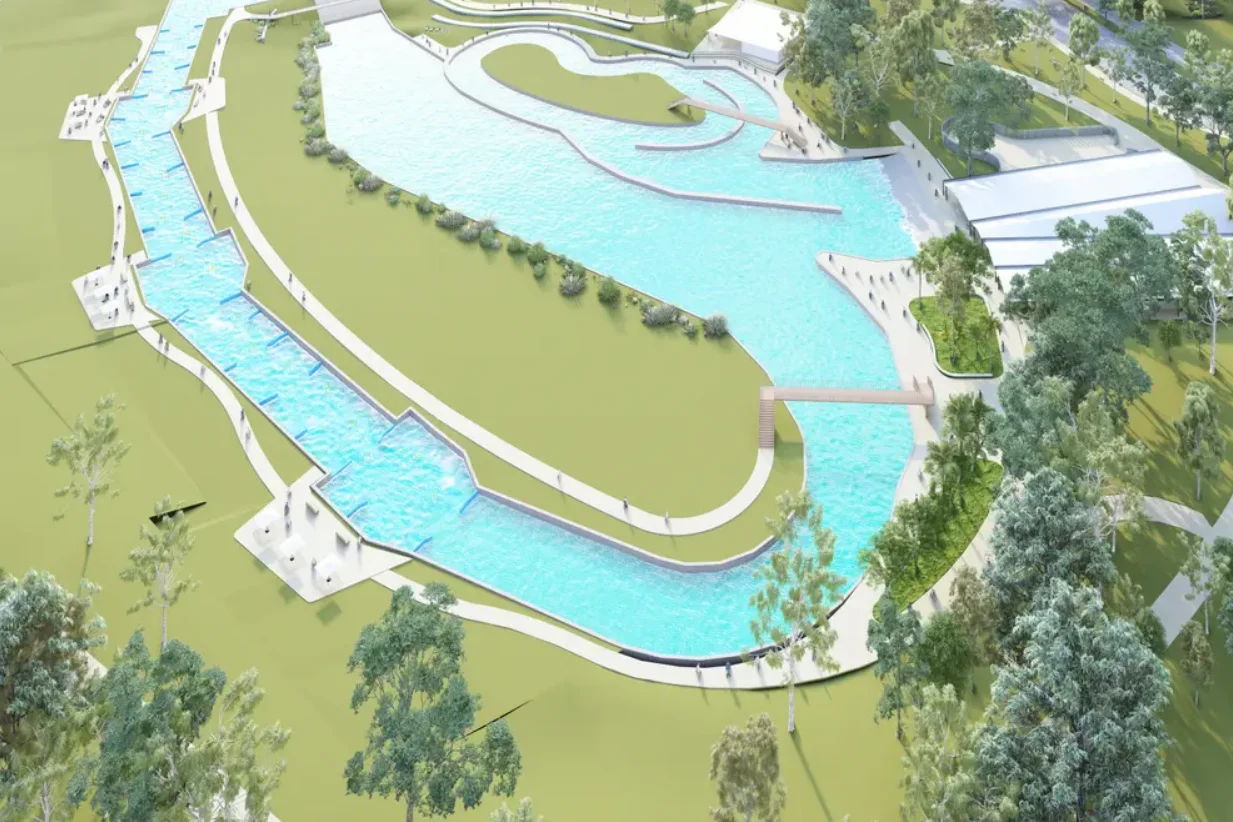
The wider Birkdale Community Precinct covers 62 hectares and includes a 36-hectare conservation area. The whitewater centre is proposed to occupy about eight per cent of the total precinct and would be positioned on previously cleared land.
During Games use, the venue is expected to accommodate up to 8,000 spectators through temporary seating, with a warm-up and training zone also planned.
Photo Credit: GIICA
How The World Paddle Games Fit
The World Paddle Games is a new International Canoe Federation concept designed to bring paddle disciplines together across a multi-week event.
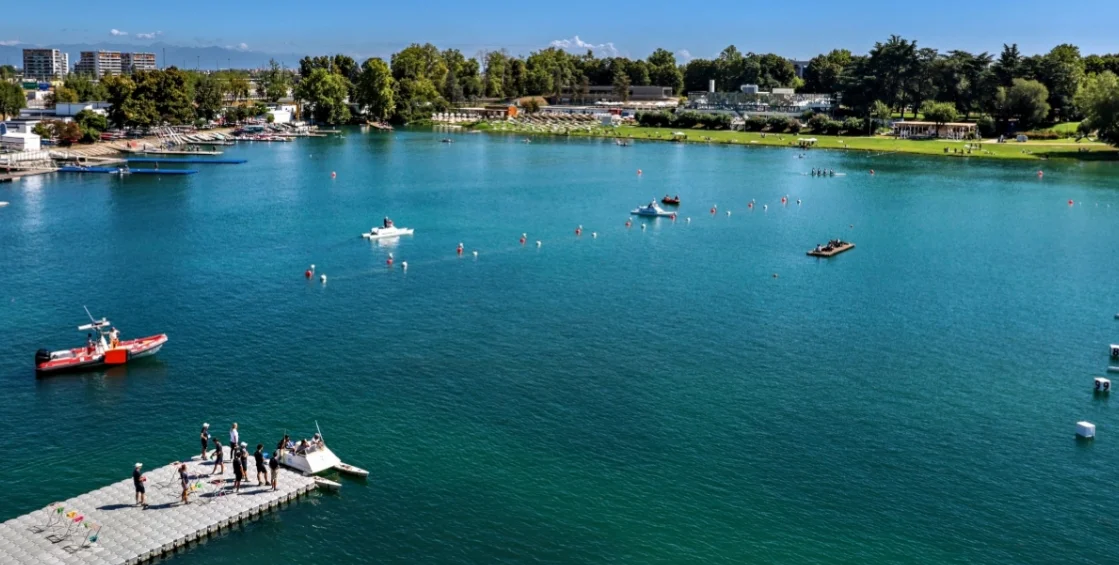
The format includes canoe sprint, canoe slalom, stand up paddling, dragon boat and ocean racing, along with broader public participation activities. It is built around three types of venues: flatwater, whitewater and ocean locations, all intended to be within about an hour of each other.
That structure is where Birkdale becomes relevant. A whitewater venue would only form one part of the broader event model, but it could give Redlands Coast a strong local base if a bid progressed further.
Redlands Coast Link Still Needs Confirmation
The Redland Whitewater Centre remains in the planning and approvals phase. Initial feasibility work has been completed, and an expressions of interest process has been conducted for a principal consultant to lead design work.
The project’s anticipated completion in 2030 also lines up with the timing of the proposed World Paddle Games. However, timing and venue planning do not amount to a confirmed hosting role.
Redlands Coast sits in a watch-and-wait position. Birkdale has the planned venue, the paddle sport purpose and the future-event relevance, but the World Paddle Games link remains at the discussion stage until further details are publicly confirmed.
Reece Holder, the 23-year-old Wellington Point sprinter who grew up running at Redlands Little Athletics before becoming one of Australia’s fastest 400-metre runners of all time, has secured his spot on the Australian team for the 2026 Commonwealth Games in Glasgow. The selection follows his breakthrough maiden senior victory at the Australian Athletics Championships in Sydney.
Holder clocked a dominant 45.11 seconds to claim the national crown, the latest milestone in a career arc that has taken him from junior titles at Redlands and Balmoral to an Olympic semi-final in Paris, and now to his first Commonwealth Games selection. The multi-sport event kicks off in Glasgow on July 23.
“These athletes represent the first selections on the road to Glasgow 2026, and their performances in Sydney highlight the strength and depth we’re building across the team,” Australian Team Chef de Mission Petria Thomas said.
A decade of work to reach this point
Reece Holder’s story did not start with a headline. He began his journey running at school carnivals and joined the Redlands Little Athletics Centre, before moving to Balmoral and eventually Thompson Estate Athletics, the club he proudly represents today. The progression required patience through early, injury-interrupted seasons, but the raw talent was always unmistakable.
Photo Credit: Reece Holder/Instagram
At 15, he won the national Under-17 400-metre title in 49.11 seconds. By 16, he had lowered his personal best to 47.35, and just before global pandemic restrictions altered the sporting calendar in early 2020, he had already clocked an impressive 46.44. Progress paused, but it never stopped.
The ultimate breakthrough moment arrived in August 2023 at the World University Games in Chengdu. Having already run a blistering personal best of 45.65 in Switzerland two months earlier, Holder negotiated the heavy heat, semi-finals, and final in Chengdu to take silver in 44.79 seconds.
The performance made him the fifth-fastest Australian 400-metre runner of all time and the fastest domestic competitor in 17 years.
Paris and the personal best that put him in elite company
Paris 2024 marked Holder’s Olympic debut, where he made an immediate impression on the world stage. In his opening qualification heat, he dropped a stunning personal best of 44.53 seconds to advance directly to the semi-finals, where he ultimately finished a commendable fifth in his wave. The performance confirmed him as a genuine world-class competitor rather than just a domestic standout.
Holder currently maintains a world ranking inside the top 20 for the 400 metres, cementing his status among the global elite in a notoriously brutal discipline. The one-lap sprint remains one of the most physically punishing events in track and field, demanding pure sprinter speed paired with the aerobic endurance to sustain maximum velocity for an entire lap.
His 2026 campaign has perfectly maintained that trajectory. His commanding 45.11-second victory in Sydney earned him his first senior Australian championship and officially punch his ticket to Scotland.
Glasgow and what comes next
The 2026 Commonwealth Games in Glasgow will be Holder’s first appearance at the event, with the men’s 400 metres shaping up as one of Australia’s marquee medal prospects on the track. Holder will also anchor the Australian 4×400-metre relay squad, building on his international experience after representing the national team at the 2025 World Athletics Relays.
For Wellington Point and the broader Redlands bayside community that cheered him on through the Little Athletics ranks, the Glasgow selection represents the perfect return for grassroots sporting programs.
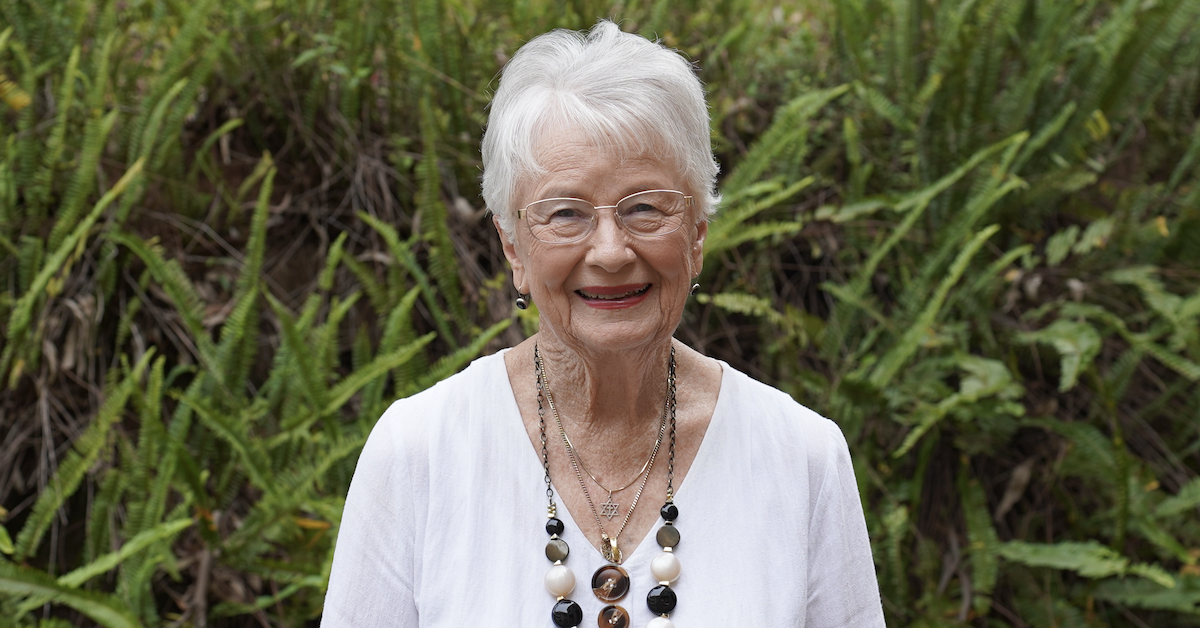
A local volunteer helping patients and families through grief, uncertainty and trauma is being celebrated during National Volunteer Week. Sandra Hill, who serves as a volunteer hospital chaplain with Carinity at Redland Hospital, provides pastoral care and emotional support to people across the Redlands community.
“I am part of the chaplaincy team providing pastoral care over the entire hospital, from the birthing ward to end of life,” Sandra explains.
“My role entails visiting patients and extending pastoral care to them and their families. I offer prayer when appropriate and am involved in memorial services and interaction with hospital staff.
“I help patients and sometimes their families navigate fear, grief and uncertainty as I offer a calming presence – especially when patients receive a terminal diagnosis or unexpected complications and trauma.”
Photo Credit: Google Maps
Sandra says being a Carinity volunteer hospital chaplain is “profoundly gratifying.”
“I enjoy meeting people and the privilege of hearing stories and walking alongside those who are sometimes going through deep valleys in their lives – offering a compassionate and human connection to people during their most vulnerable and isolating moments,” Sandra said.
“Often, pastoral care in a hospital environment brings people together in the best way possible under the worst conditions.
“Being with patients in their last moments and being able to offer prayers or blessings is a sacred and humbling privilege.”
Sandra recommended that people who have spare time should volunteer in their community.
“Volunteering is most rewarding, satisfying and fulfilling. One receives back much more than one gives. It also gives one purpose and meaning in life.”
The Sunday morning show provides a fantastic journey around Australia and the world to hear stories and insights from real people that you won’t hear in the mass media.
Here are five nuggets that we’ve dug out from the goldmine that is Macca’s Australia All Over show.
Lawson’s Story
On March 22, we heard the story of a 10 year old boy called Lawson, from the persepctive of a first responder.
The first responder who rang was Mark, a paramedic. He had been called out in an ambulance to a rural property at Mcdouall Peak Station in remote South Australia.
McDouall Peak is known for its arid desert landscape and historic links to explorer John McDouall Stuart. The area is known for its harsh conditions, hardy desert vegetation, and remains part of South Australia’s vast, sparsely populated interior.
Mark related that a 10-year-old boy named Lawson and his dad, a farmer, went out on motorbikes to build some fencing on the station. Lawson’s dad told the boy that he was just going to check some fencing a few kilometres away and then set off on his motorbike down the fenceline.
He didn’t come back.
After a while, Lawson got on his motorbike to go and look for him, but couldn’t find him. So he got his mum to drive over in the car and together they searched and found him. The dad was very badly injured having crashed on his bike at speed.
By the time emergency crews arrived, Lawson had already spent more than an hour talking with medical staff and waiting for help to reach them.
Mark the paramedic related that on arrival on the main road, he encountered young Lawson, who calmly then got in a ute and drove ahead of the ambulance for several kilometres to guide the medics to where his dad was.
Mark was blown away with the maturity and initiative of Lawson. He had seen many unusual situations in his job but this was a major outlier.
It turned out Lawson’s father had broken a leg, hip and collarbone.
Mark said Lawson carried medical gear; helped responders where needed; and stayed composed through the entire rescue until his father was flown out by the RFDS for treatment.
Amazingly, a neighbour who knew young Lawson was listening to Macca, and rang Lawson’s family to tell him about the call on the show.
Soon after, Lawson rang in and told Macca all about what happened first-hand.
“He was going like 90 or 100 or something,” Lawson told Macca, when recounting his father’s crash.
At one point, Macca asked him what he wanted to be when he grew up.
“A helicopter pilot,” Lawson replied.
It sounded less like a dream and more like a plan.
Out on stations like McDouall Peak, childhood looks different.
Distances are measured in hours, not suburbs. Fence lines run for kilometres. If something goes wrong, help is rarely close.
Lawson studies through the Port Augusta School of the Air, originally built around two-way radio lessons for children living in isolated parts of the country. These days, classes are mostly online, but the principle is still the same — students learning from station houses and remote properties hundreds of kilometres apart.
Kids in those areas tend to grow up fast and early. They learn vehicles young, help with fencing and stock work, and get used to solving problems without immediate backup.
Here’s a video about Clair, who tells a story remarkably similar to that of Lawson, giving us a glimpse of the world they inhabit — a long way from city life, and built around a different kind of independence.
Food Labels – Does “Australian Made” have loopholes?
Judy, a soybean farmer from Bundaberg, rang in to the show on the April 5 program.
She had a very interesting story to put people straight about Australian made loopholes.
She said that supermarket food labels can be very misleading.
Soy milk can be sold as “Australian Made” even when the beans are imported — because the bulk of what’s in the carton is Australian water.
That’s enough to be considered “Australian Made” soy milk, she said.
Meanwhile, she’s growing soy locally, rotating it with sugarcane — a system that quietly does its job, improving soil and keeping things sustainable over time.
“It’s a practical system,” she said.
But that work — and those crops — aren’t always what ends up on the shelf.
It’s not just soy milk.
More broadly, Australia’s labelling rules are based on where a product is made or substantially transformed, not always where its key ingredients are grown.
That’s how you end up with:
fruit juice blended locally from imported concentrate
seafood processed here but caught overseas
packaged foods made in Australia using global ingredients.
The label is technically right, but it doesn’t always tell the full story. For producers like Judy, that gap matters.
Are these technical loopholes hurting Australian food producers?
“Six days. 1,200 feral pigs.” The scale most people don’t see
On the April 19 program, Peter called in from Wangaratta, talking about his new feral pig shoot record.
Feral pigs can make an enormous mess of farmer’s crops as well as gardens and any piece of grassland as they can dig up hundreds of metres of land overnight looking for worms and roots.
Peter projected that there could be over a million feral pigs in Australia and that there were signs of them entering the edge of urban areas.
It sounded like Peter was part of a system that pairs landholders with vetted recreational shooters. His previous best was 1,100 shot but this time he covered 1,200.
Scientific evidence ranks pigs among the most intelligent animals—often cited as the fifth smartest species—possessing cognitive abilities that rival dogs and young human toddlers.
Feral pigs have been part of the landscape for a long time. What’s easy to miss is how quickly things escalate once numbers build.
They move in groups, breed fast, and don’t take long to undo a paddock. Crops gone overnight, fences pushed through, water turned.
Control efforts don’t stop — trapping, baiting, culling — but it’s not static.
Six days near Warren. About 1,200 feral pigs. At that point, you’re dealing with something that doesn’t scale down easily.
Corals, Reefs and the Arguments Around What We’re Seeing
Three separate calls across April ended up circling the same uneasy question: what is happening to the reefs?
What made it interesting was that the callers did not entirely agree.
The Scientist Trying to Cool the Water
On the April 5 program, oceanographer Dan Harrison from the National Marine Science Centre spoke about the science side of the problem — and how researchers are now exploring increasingly complex ways to protect coral systems from extreme heat.
One idea he discussed was marine cloud brightening.
In simple terms, increasing low cloud cover over parts of the ocean so more sunlight is reflected away and water temperatures stay lower during dangerous heat periods.
But Harrison was careful not to present the reef as a simple story of decline or rescue.
Cyclones can damage reefs badly — but sometimes also cool overheated water and reduce bleaching pressure. Floods can smother coral systems with runoff, but under different conditions can shift temperatures or nutrients in ways that change outcomes entirely.
The impression left was less about certainty than complexity.
Nothing in reef systems happens in isolation.
Returning to Fiji After Three Decades
Two weeks later on the April 19 show, Kieran Kelly rang from Fiji with something far more personal and emotional.
After returning to diving for the first time in more than 30 years, he said he was stunned by what he saw underwater.
“The reefs were devastated — brown, lifeless.”
What stayed with listeners was the way he described it.
“All the little houses are still there, but there’s no one in them.”
He said the coral structure itself often remained, but the colour, fish life and movement felt diminished from what he remembered decades earlier.
At the same time, he reflected on how Fiji itself had changed — from what he described as a quieter, more remote place into one increasingly built around tourism, boats and constant movement.
“The very thing that attracts people ends up spoiling it.”
It wasn’t framed as activism or politics. More the observations of someone returning to a place after a very long absence and confronting how much both nature and people had changed.
The Ecologist Who Warned Against Generalisations
A week later again, on the April 26 program, another listener pushed back.
James Hawes, a retired CSIRO ecologist from the Sunshine Coast, wrote to Macca after hearing Kieran’s comments.
He argued that broad claims about “dead and dying reefs” risked missing important context.
Hawes said many reefs he had snorkelled recently — including parts of the Great Barrier Reef and reefs around Fiji — appeared healthy and actively growing. He acknowledged localised storm and cyclone damage, but warned against sweeping conclusions drawn from isolated experiences.
“Reports on coral reef damage must have context.”
Why reef conversations have become so complicated
Part of the reason reef discussions now feel so contested is because people are often talking about different parts of the same system.
Some reefs recover after bleaching events. Others don’t. One section can be badly damaged by heat or cyclones while another nearby remains comparatively healthy.
That sat underneath all three calls.
Dan Harrison spoke about intervention research already underway in Australia. Kieran Kelly described reefs in Fiji that felt emptier and less alive than he remembered decades earlier. James Hawes warned against broad conclusions drawn from isolated experiences.
All three perspectives can exist at once.
The Great Barrier Reef stretches across more than 2,000 kilometres, with thousands of reef systems responding differently to temperature, storms, runoff, tourism pressure and crown-of-thorns starfish outbreaks.
At the same time, Australia has become a major centre for reef intervention research.
Marine cloud brightening — the concept Harrison discussed — is now being trialled as researchers investigate whether brighter low cloud cover could temporarily cool reef waters during marine heatwaves.
Other projects include:
heat-tolerant coral breeding
coral seeding and restoration programs
satellite, drone and robotic reef monitoring
crown-of-thorns starfish control efforts
Researchers are also studying how runoff, water quality and tourism pressure interact with warming oceans and cyclone damage over time.
None of it is straightforward.
Some reefs are recovering strongly. Others are under heavy stress. Some intervention ideas remain experimental, while others are already being rolled out more broadly.
Which is why reef conversations now tend to sound less certain than they once did.
The science is still moving.
The war where bullets overtook disease — and what changed after that
On the April 26 program, the conversation drifted from Gallipoli’s cliffs and cemeteries into something less often talked about — what war looked like from the medical side.
In studio, hand surgeon David Dilley spoke about the conditions doctors and medics faced during the First World War, particularly during Gallipoli.
“The planning was appalling,” he said, referring to findings from the Dardanelles Commission.
There were shortages everywhere. Limited supplies. Primitive field conditions. Little understanding of how to deal with the scale of injuries arriving at once.
“They had bandages… a bit of chloroform… and not much else.”
Earlier in the program, callers had been describing the cemeteries at Gallipoli — the closeness of the ridgelines, the tiny distances between trenches, the sheer number of names.
Dilley’s contribution added another layer to that picture.
For centuries before World War I, disease often killed more soldiers than combat itself. Dysentery, typhoid, infected wounds and poor sanitation spread quickly through camps and battlefields long before antibiotics existed.
But by Gallipoli and the Western Front, warfare itself had changed. Machine guns, artillery and industrial-scale combat produced catastrophic injuries on a scale medicine had never really faced before.
“It was the first war where more died from enemy action than disease,” Dilley said.
The conversation moved easily between medicine, history and memory — less like a lecture and more like someone trying to explain how one era forced the next one to change.
The shift didn’t happen all at once, but the pressure to improve was constant.
In earlier wars, many soldiers didn’t die from wounds themselves, but from what followed — infection, poor sanitation, limited understanding of how to treat trauma once it set in. Dysentery, typhoid and septic wounds were often more lethal than the battlefield.
By the time of Gallipoli, that balance had started to change, even if the systems around it hadn’t caught up.
Since then, each conflict has pushed medicine further.
Today, soldiers carry trauma kits designed to deal with the first and most critical problem — bleeding. Tourniquets, clotting agents and airway tools are standard, with the aim of stabilising someone long enough to get them to surgical care.
From there, evacuation is faster, and treatment is more specialised, with trauma teams trained specifically for those injuries.
None of that removes the brutality of war. But it does mean more people survive the part they wouldn’t have before.
One conversation at a time
Five calls.
Different states, different lives, different subjects.
A 10-year-old on a remote cattle station. A soybean farmer in Bundaberg. Pig shooters near Warren. Scientists arguing over reefs. A surgeon reframing Gallipoli.
None of them sounded like they were trying to make a point bigger than it was.
That’s probably why the calls stayed with people after the radio switched off.
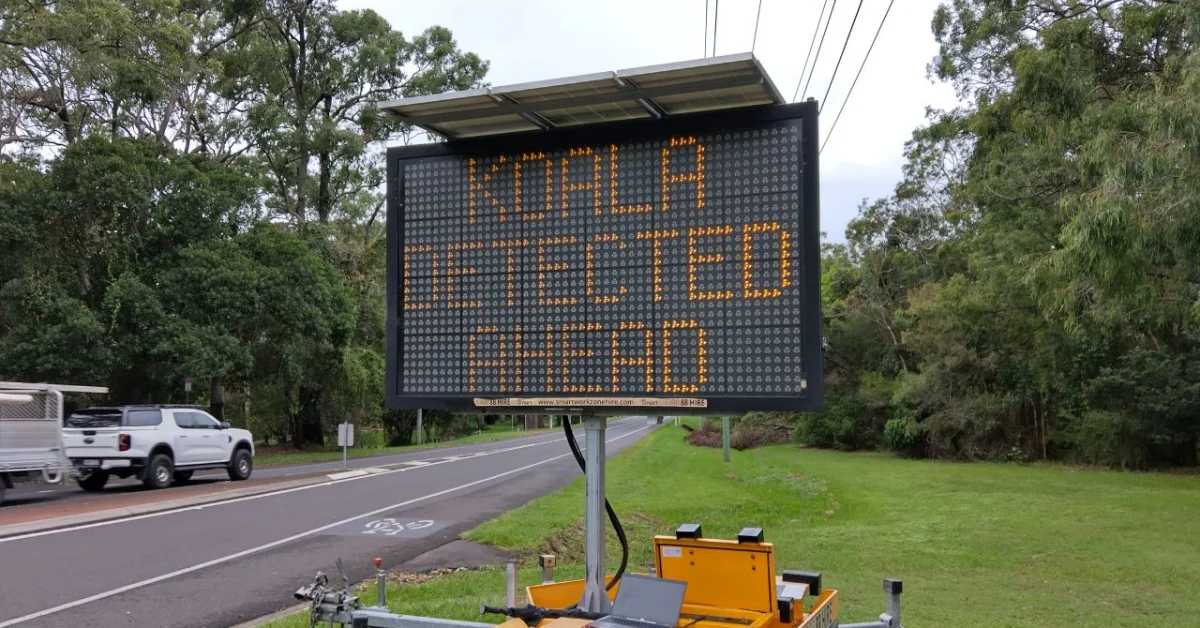
A prototype artificial intelligence-powered road sign has detected a koala crossing in real time on the Redlands Coast, demonstrating a field-tested milestone in efforts to reduce wildlife-vehicle collisions.
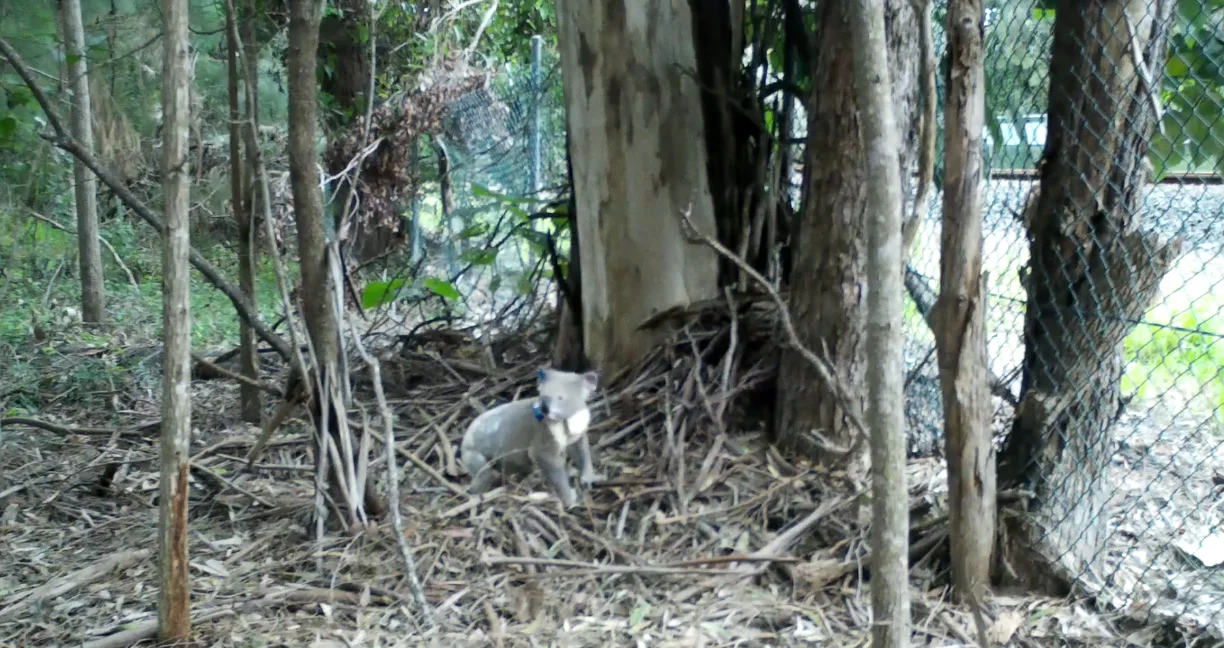
A koala moving across a road on the Redlands Coast has marked a significant step in the use of artificial intelligence for road safety and conservation. The animal was identified in real time by a prototype system that combines an AI-powered camera with an intelligent road sign, confirming the technology can function under live conditions.
The detection represents the first time this approach has been proven in the field, shifting earlier research from recorded observation to real-time identification of koalas near roadways.
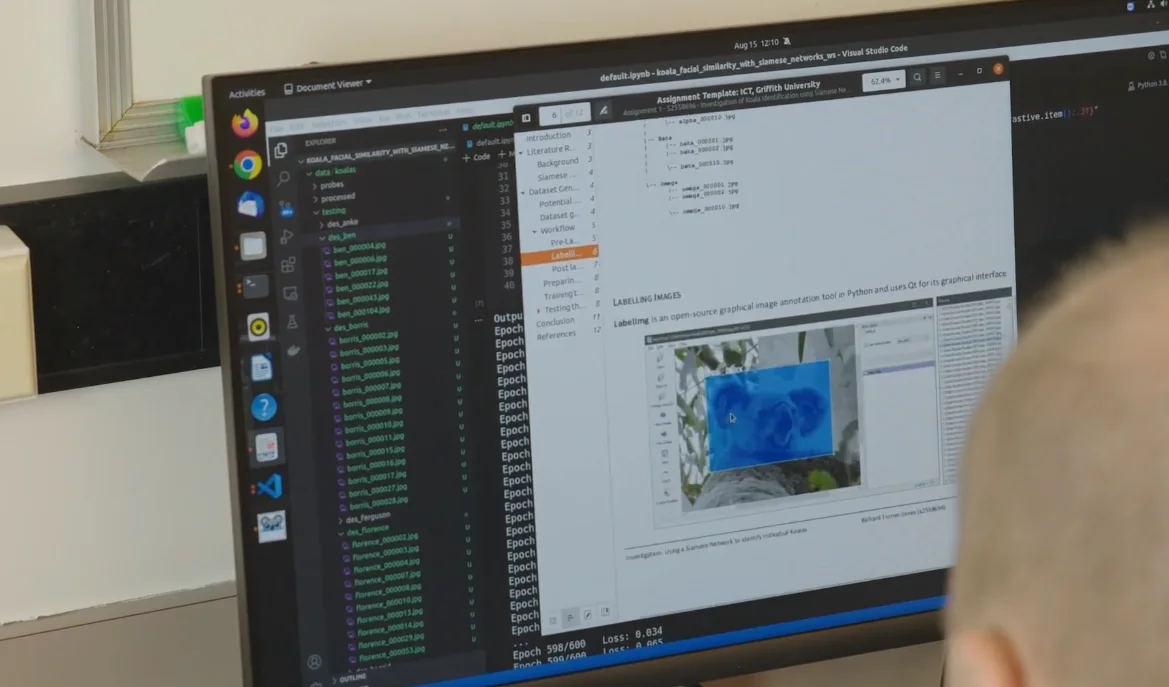
Developed by researchers from Griffith University, the system builds on an existing database designed to recognise koalas at transport crossings. The latest trial demonstrates how that capability can be applied at the roadside as animals approach or cross.
Moving Beyond Static Warnings
Roadside signs warning of wildlife crossings have long been part of the landscape, but their constant presence can reduce driver attention over time. Without a visible animal, repeated exposure can lessen the likelihood of drivers responding to potential risks.
This challenge is more pronounced during low-light periods, when koalas are most active and visibility is reduced. The Redlands Coast trial shows how real-time detection could support more targeted alerts, with future systems expected to activate warnings only when a koala is present.
Koalas face ongoing threats from habitat loss, disease and vehicle strikes. As natural environments become more fragmented, animals are often required to cross roads to move between areas.
Vehicle collisions remain a major contributor to koala mortality in southeastern Queensland. Monitoring populations is also difficult due to their nocturnal behaviour and wide distribution, making it challenging to track numbers with certainty.
Research in the Redlands area has found no evidence of continued population decline since 2018, underscoring the role of sustained conservation efforts alongside new technologies.
Photo Credit: Griffith University/YouTube
From Trial to Application
The system has been under trial on the Redlands Coast since March 2025, using decentralised computing and real-time video analysis to process data close to where it is captured. This allows the system to detect koalas in real time as they approach roadways.
The successful field detection establishes a foundation for integrating the technology with responsive road signage. Future applications are expected to prompt drivers to slow down when a koala is detected, improving responsiveness at critical moments.
While still in development, the approach highlights how adaptive systems can support both road safety and wildlife protection across high-risk corridors.
Photo Credit: Griffith University/YouTube
A Step Towards Targeted Road Safety
The Redlands Coast trial demonstrates how combining artificial intelligence with roadside infrastructure can support more precise and timely interventions. Instead of relying solely on static warnings, real-time detection offers a way to align driver awareness with actual conditions on the road.
As the system continues to be refined, the focus remains on improving reliability and exploring how it can be applied more broadly to reduce road-related koala fatalities.
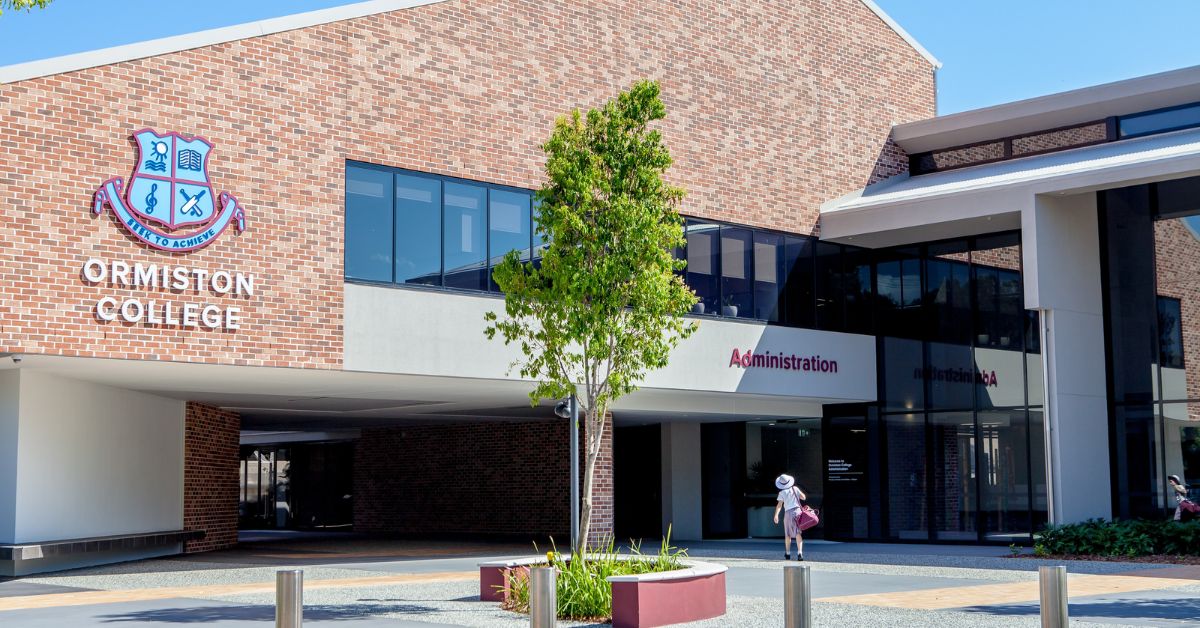
Ormiston College held its first whole-of-sport awards ceremony since before COVID-19 this week, replacing a long-standing arrangement that had seen separate end-of-season events held for some boys’ Firsts sides but not their female counterparts.
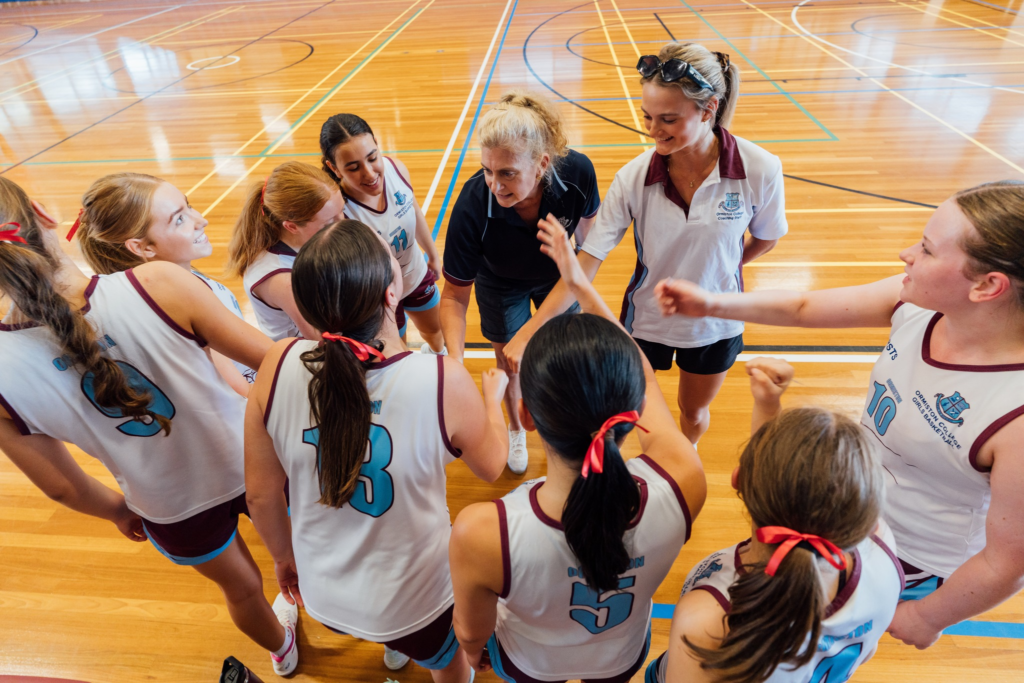
The change at the Wellington Point school followed years of pressure from parents and students who argued that girls’ Firsts teams, across sports including netball, hockey, basketball, volleyball, soccer and touch football, were missing out on the same end-of-season recognition afforded to some of their male peers.
How the Disparity Developed
Between 2022 and 2025, the college ran formal sports awards assemblies that recognised all teams. Alongside those assemblies, however, some boys’ Firsts sides including rugby and football held their own additional stand-alone celebrations, organised through Parent Support Groups. Requests from girls’ teams for comparable events were not approved.
Parents, who did not wish to be named, said frustration had been building for more than a year. Students raised the issue directly with senior staff as early as September 2024, seeking comparable recognition for female Firsts teams, but those approaches did not produce an outcome at the time.
The college acknowledged the gap, saying that while formal recognition had been consistently applied across all teams, the additional celebrations for some boys’ sides created perceptions of inconsistency. “This understanding has informed the decision to adopt a single, standardised model for sporting awards,” the college said in a statement.
What the New Model Looks Like
The new structure introduces two formal recognition events across the sporting calendar: a First Team Jersey Presentation Assembly at the start of each season and a whole-of-sport awards ceremony at its conclusion. All teams, including Firsts sides, will be recognised under the same framework, covering captaincy honours, most valuable player awards, team achievements and Year 12 acknowledgments, applied on consistent criteria across sports and genders.
Dean of Activities Jack Pincott communicated the change to families ahead of Wednesday’s event, noting the ceremony would be held “for the first time in a long time,” signalling the shift away from the fragmented approach of recent years.
When Recognition Matters as Much as the Result
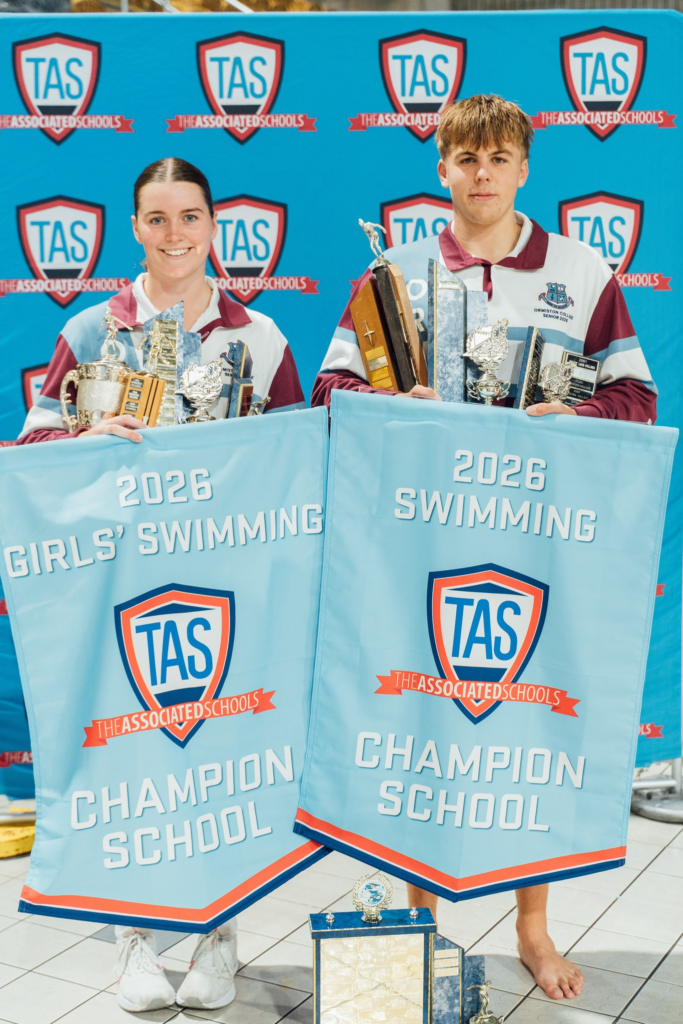
For families in the Wellington Point and Ormiston community, sport is not a peripheral part of school life. Ormiston College claimed the Overall Champion School title in The Associated Schools competition for three consecutive years to 2025, with particular strength across volleyball, athletics and swimming.
That sporting culture is precisely why the recognition question mattered. End-of-season celebrations are where effort gets acknowledged, not just in trophies but in the shared experience of being seen. For the girls and their families who campaigned from September 2024, the objective was simple: they sought the same level of recognition already granted to some of the boys’ teams.
Reaction within the community to the new format has not been uniform. Supporters of the change argue it removes an inconsistency that should not have existed, and that a unified model is more respectful of every team’s contribution. Critics, including at least one student who described the outcome as “lowering the bar to gain equality,” argue it removes the opportunity for standout teams to be celebrated individually rather than within a broader ceremony.
The college rejected any suggestion of deliberate inequity, maintaining that the additional boys’ celebrations had been community-organised rather than school-directed, and that formal recognition had always been applied consistently across all teams.
More Information
Families with questions about enrolment and the new sporting recognition structure can contact Ormiston College directly at their site or by phone on 07 3820 1200.
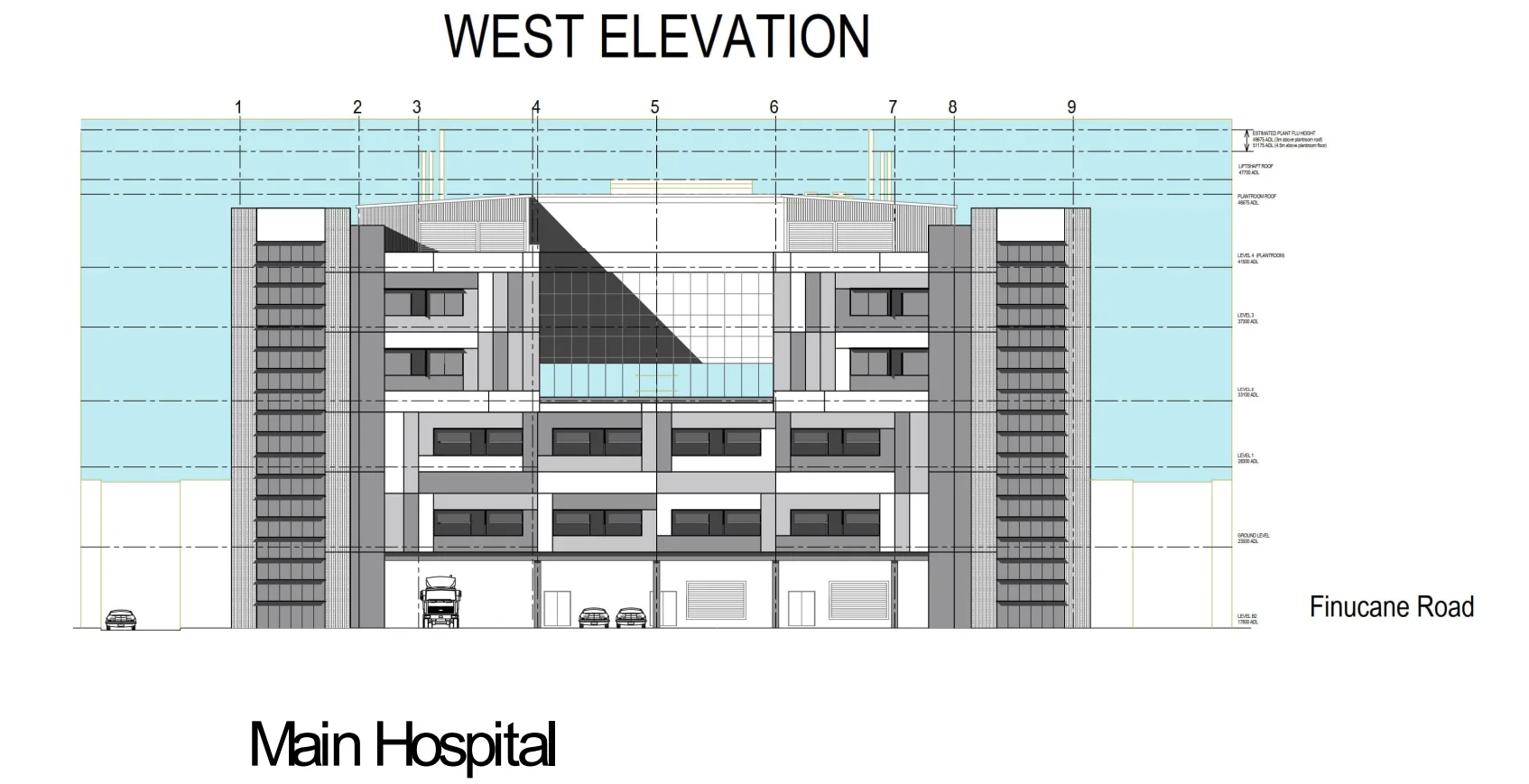
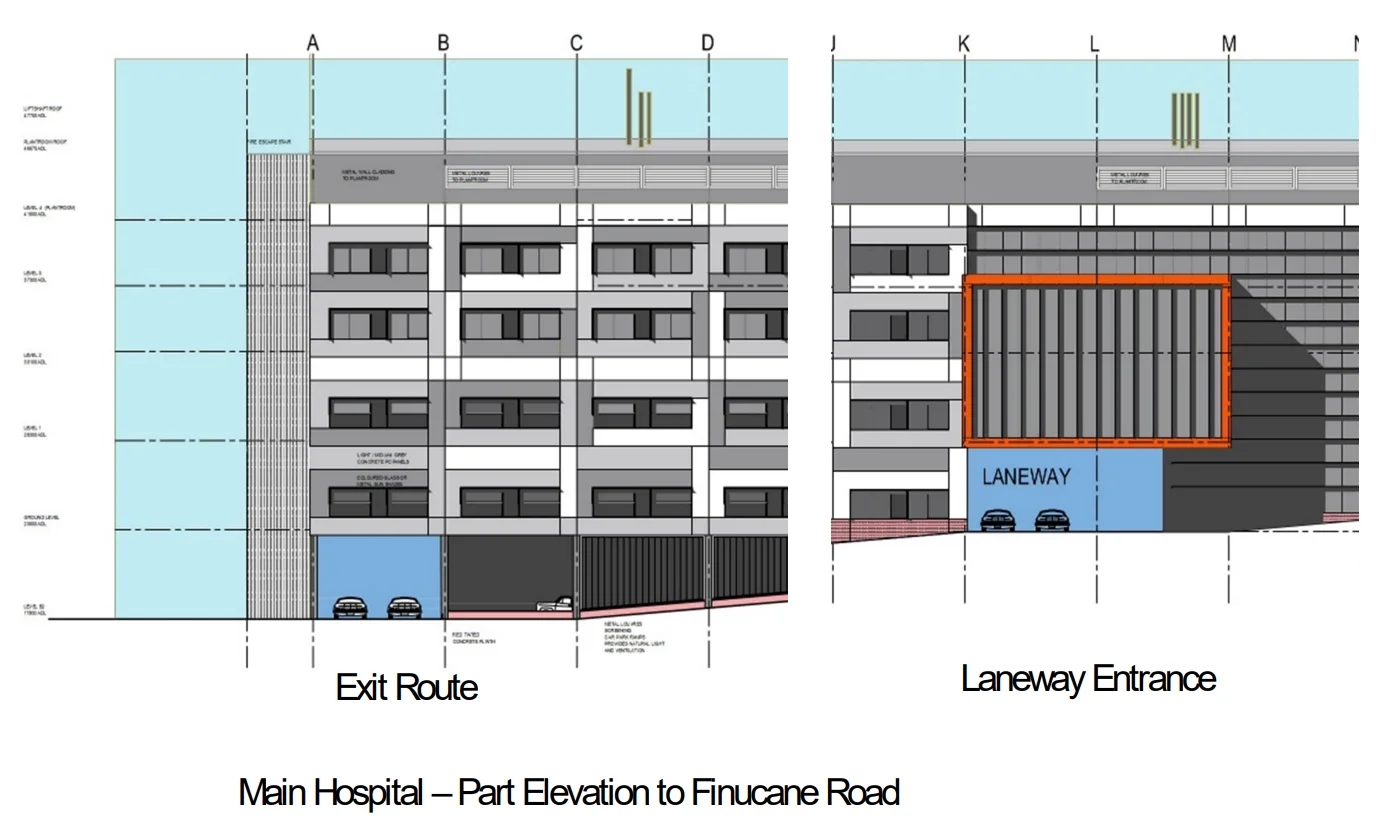
A major private hospital and integrated health precinct in Ormiston has been approved for development at 58–68 Delancey Street, advancing plans for expanded medical services in the area.
The Hub68 Centre of Excellence has secured approval under Ministerial Infrastructure Designation MID-0523-0700, allowing the project to proceed on the Ormiston site.
The designation, published in the Queensland Gazette on 13 March 2026, formally allocates the land for hospital, healthcare, and education-related uses.
Photo Credit: MID-0523-0700
Hospital And Health Facilities Planned
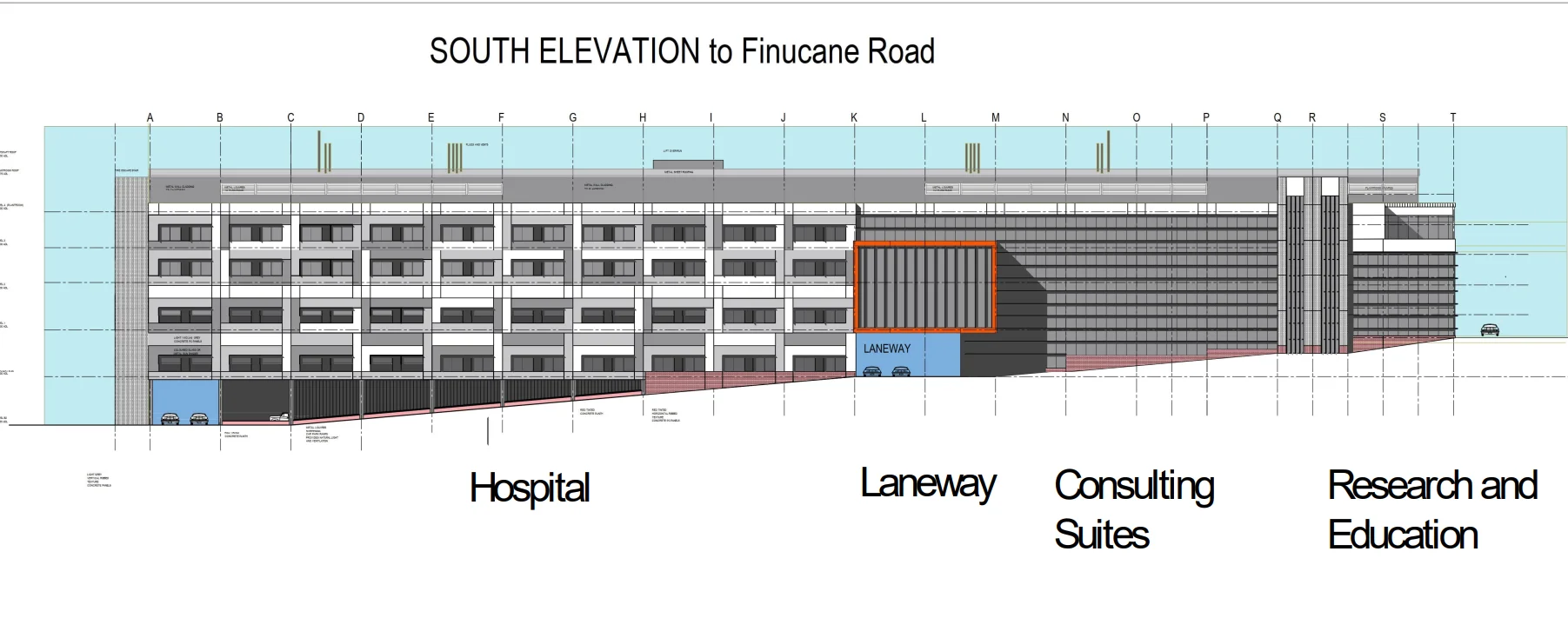
The development centres on a five-storey private hospital designed for up to 166 beds and 14 operating theatres.
Plans outline a broader precinct that includes a 60 to 80-bed aged care facility, a childcare centre, and spaces for medical training, education, and research.
The proposed services cover surgery, rehabilitation, cardiology, mental health care, and day infusion treatments such as dialysis and chemotherapy.
The site spans approximately four hectares at the corner of Finucane Road and Delancey Street.
Traffic Changes On Finucane Road
Access to the precinct is planned through a new signalised intersection on Finucane Road, about 360 metres west of the existing signalised intersection with Shore Street West and Delancey Street.
Planning material indicates the precinct will include around 859 car parking spaces.
Finucane Road remains a 70km/h corridor under the approved plans, with traffic impacts raised as a concern during consultation.
Photo Credit: MID-0523-0700
Long-Running Proposal In Ormiston
The Hub68 proposal has been in development since 2018, when plans for a combined health, research, and education hub were first outlined.
Medical services are already operating on the site, which was previously used as a printing hall for Fairfax Media and as the headquarters of Queensland Country Press.
The location is less than three kilometres from existing hospitals in Cleveland, where parking demand has extended into surrounding streets.
Demand Pressures Identified
Project material outlines existing and projected shortfalls in hospital beds, medical specialists, and aged care capacity in Redland City.
Forecasts indicate these gaps may increase by 2041, alongside population growth and a rising proportion of residents aged over 50.
These projections form part of the justification for additional healthcare infrastructure in the area.
Photo Credit: MID-0523-0700
Community Concerns During Consultation
Consultation in 2023 highlighted concerns from nearby residents about traffic, building scale, and impacts on vegetation and local wildlife, including koalas.
Questions were also raised about reliance on private vehicles, while planning material notes the presence of nearby bus stops and train stations within walking distance.
Next Steps For The Ormiston Site
The approval clears a key planning step for the Hub68 precinct in Ormiston.
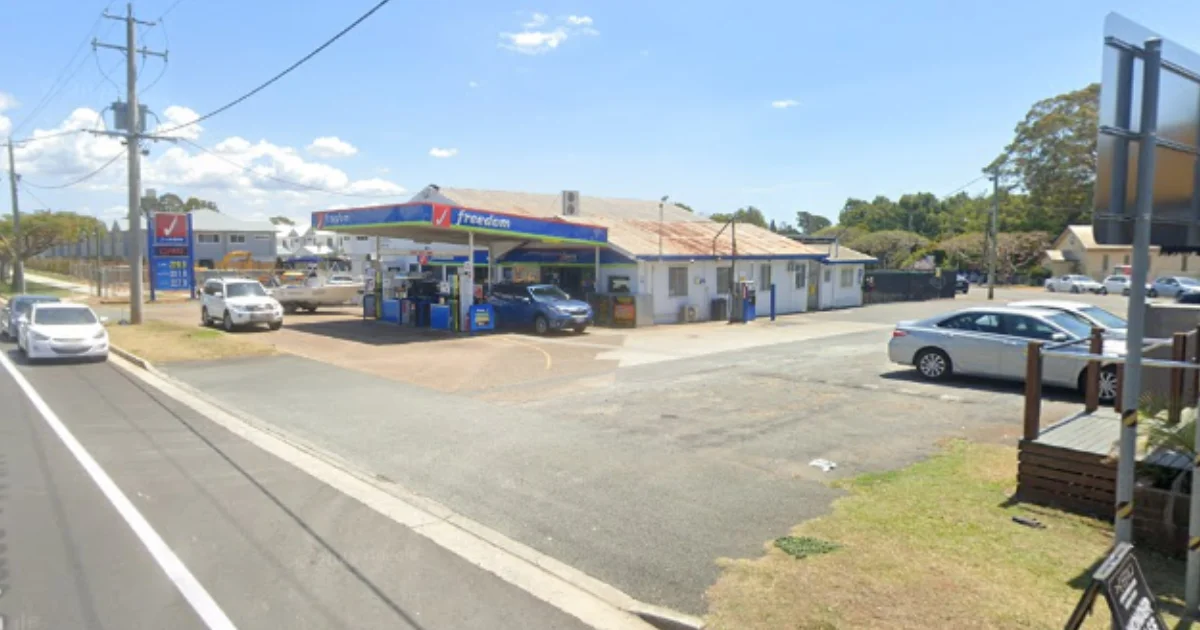
Some petrol stations across Queensland are running out of fuel amid a supply crunch driven by global and local pressures, leaving motorists scrambling to find a servo with supply. In Victoria Point, Freedom Fuels has been without stock for several days, and staff have no idea when the tanker is coming.
Staff at the bayside servo confirmed that both petrol and diesel had run out, and that they had received no word on when a delivery might arrive, with one employee indicating they had absolutely no idea when supplies would return or why the delay had occurred.
The Victoria Point outage is not an isolated incident, with petrol stations across Queensland also reporting supply shortfalls.
Why are Queensland petrol stations running out of fuel?
The closure of the Strait of Hormuz, the narrow waterway connecting the Persian Gulf to the open ocean, and the only sea passage out of the Gulf, is being cited as a key driver of rising fuel prices and supply disruption.
Closer to home, some wholesalers are reportedly withholding bulk fuel orders from independent suppliers while they assess the longer-term impact on cargo ship arrivals. Pump prices are expected to keep climbing through the week.
Victoria Point motorists told to look elsewhere
Photo credit: Google Street View
For residents of Victoria Point and surrounding suburbs including Wellington Point, the message is clear. It is worth calling ahead before making Freedom Fuels your first stop. Staff at the site indicated the outage appeared limited to the Victoria Point location, with the nearby Freedom Fuels Capalaba branch still reported to have fuel available as of Monday.
Motorists across the Redlands were still able to find fuel at other service stations on Monday afternoon, suggesting the shortage has not yet caused a blanket outage across Redland City. However, with wholesalers holding back bulk orders and prices tipped to rise further this week, motorists may find the situation worsens before it improves.
Don’t panic buy — but do plan ahead
While there is no indication of a widespread, sustained fuel shortage across the Redlands at this stage, the supply squeeze affecting servos is real. Motorists are advised to keep an eye on fuel levels rather than waiting until the tank is on empty, and to have a backup servo in mind, particularly if Freedom Fuels Victoria Point is their usual stop.
Panic buying, if it takes hold, risks making the situation significantly worse. Bulk purchasing by drivers strips already depleted supplies faster and pushes up prices further at stations that are still receiving deliveries.
For now, the best advice is to fill up where fuel is available, avoid running low, and keep an ear out for updates as the supply situation develops both locally and internationally.
Communities across South East Queensland are seeing more women step into the top jobs at their local Catholic schools, with a growing number of female educators appointed as principals and heads of college in recent years. As International Women’s Day approaches on 8 March, Brisbane Catholic Education (BCE) has highlighted the appointment of 29 women to principalship or head of college or campus roles over the past two years, reflecting a shift toward stronger female representation in school leadership.
From Graceville and Bardon to Mango Hill, Birkdale and Scarborough, these appointments are shaping the future of education in neighbourhoods across the region. For families, students and staff, it means welcoming experienced educators who will guide school communities through the next chapter of learning and growth.
BCE’s People and Culture Executive Cathy Heffernan said the appointments reflect a broader effort to support and prepare more women for leadership roles in schools.
“Since the program commenced, 38 per cent of participants have progressed into Head of College, Principal or BCE office leadership roles,” Ms Heffernan said.
“Beyond appointments, the program builds confidence, capability and connection, qualities that are essential for leadership in today’s educational landscape.”
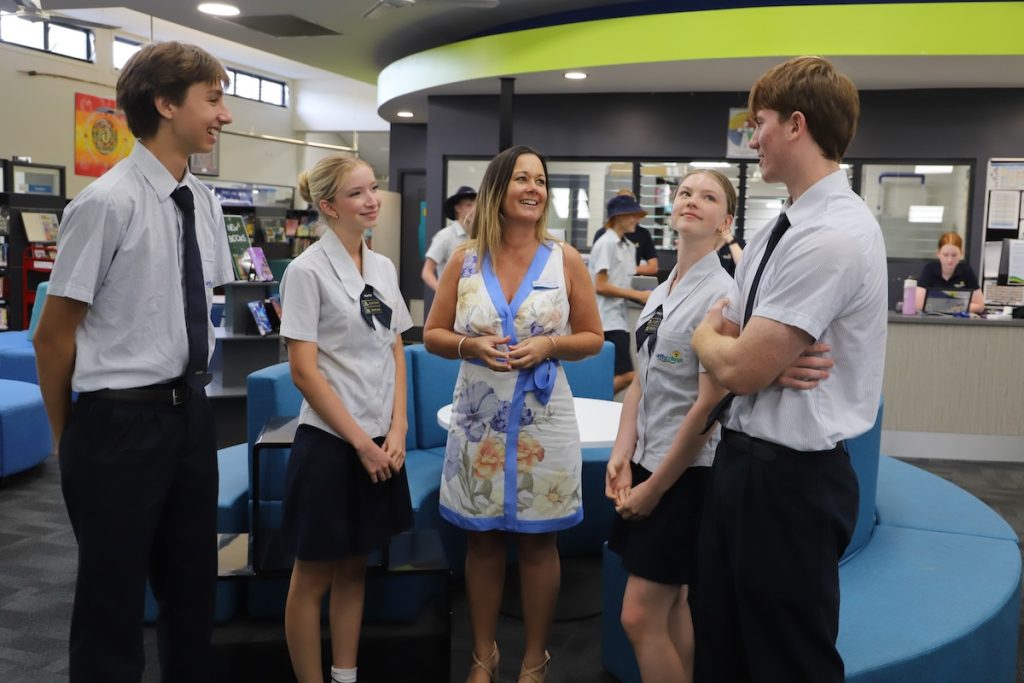
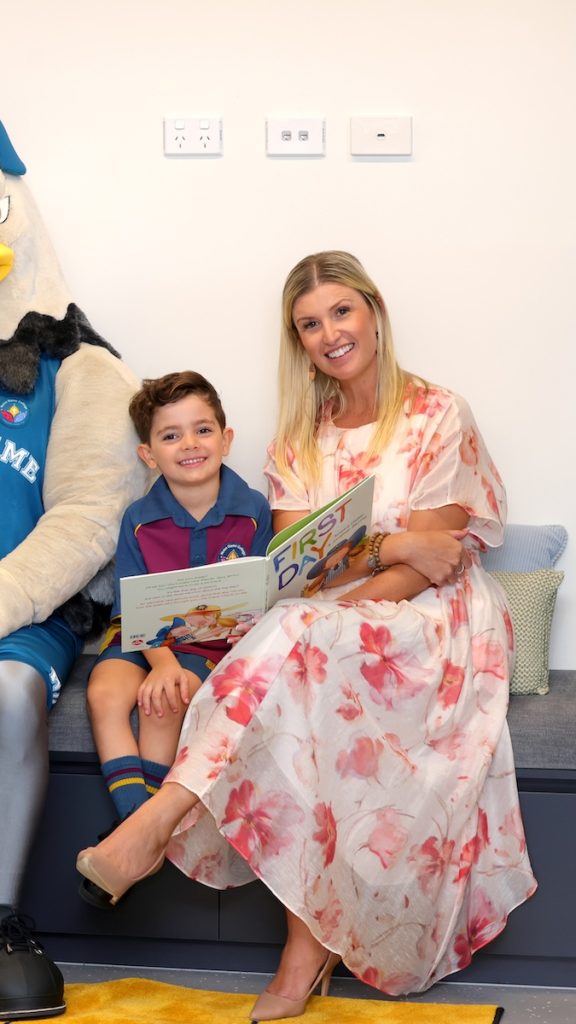
Jessica Lusk, Head of College Unity College (Secondary), Caloundra West Photo Credit: Supplied
Across BCE schools, female principalship has increased from 33 per cent in 2021 to 50 per cent in 2026. In BCE offices, women now make up 64 per cent of leadership roles, up from 48 per cent in 2021.
Many of the recently appointed leaders have participated in BCE’s Women in Leadership program, which was reimagined in 2024 to strengthen leadership pathways and build a pipeline of future-ready female leaders.
For educators like Notre Dame College, Bells Creek Head of College Jasmine Brown, the program has had a lasting impact.
“For me the program highlighted the importance of women actively supporting and advocating for one another,” she said.
“I also found the course an opportunity to connect with other like-minded women who shared the same aspirations for senior leadership.
“The impact of the program has endured well beyond its conclusion, particularly for me through the lasting professional relationships I have built.”
Jasmine Brown, Head of College Notre Dame College, Bells Creek Photo Credit: Supplied
Since March 2024, a number of schools across South East Queensland have welcomed new female leaders, including appointments at St Mary’s College in Ipswich, St Patrick’s Primary School in Nanango, Unity College in Caloundra West, and St Francis College in Crestmead.
Other appointments span communities including Graceville, Bardon, Mango Hill, Ferny Grove, Birkdale, Zillmere, New Farm, Scarborough and Enoggera, where local school communities are now led by experienced educators committed to supporting students, families and staff.
For BCE, the growing number of women stepping into leadership roles reflects a commitment to creating inclusive leadership pathways and recognising the vital contribution women make to education and their communities.
As schools across the region celebrate International Women’s Day, these appointments highlight the strong role women continue to play in shaping the future of Catholic education across South East Queensland.